
Property Care & Maintenance
Leaving Your French Property Empty Over Winter: The Complete Guide
An essential winter preparation guide for second-home owners in France.
In this guide16 sections
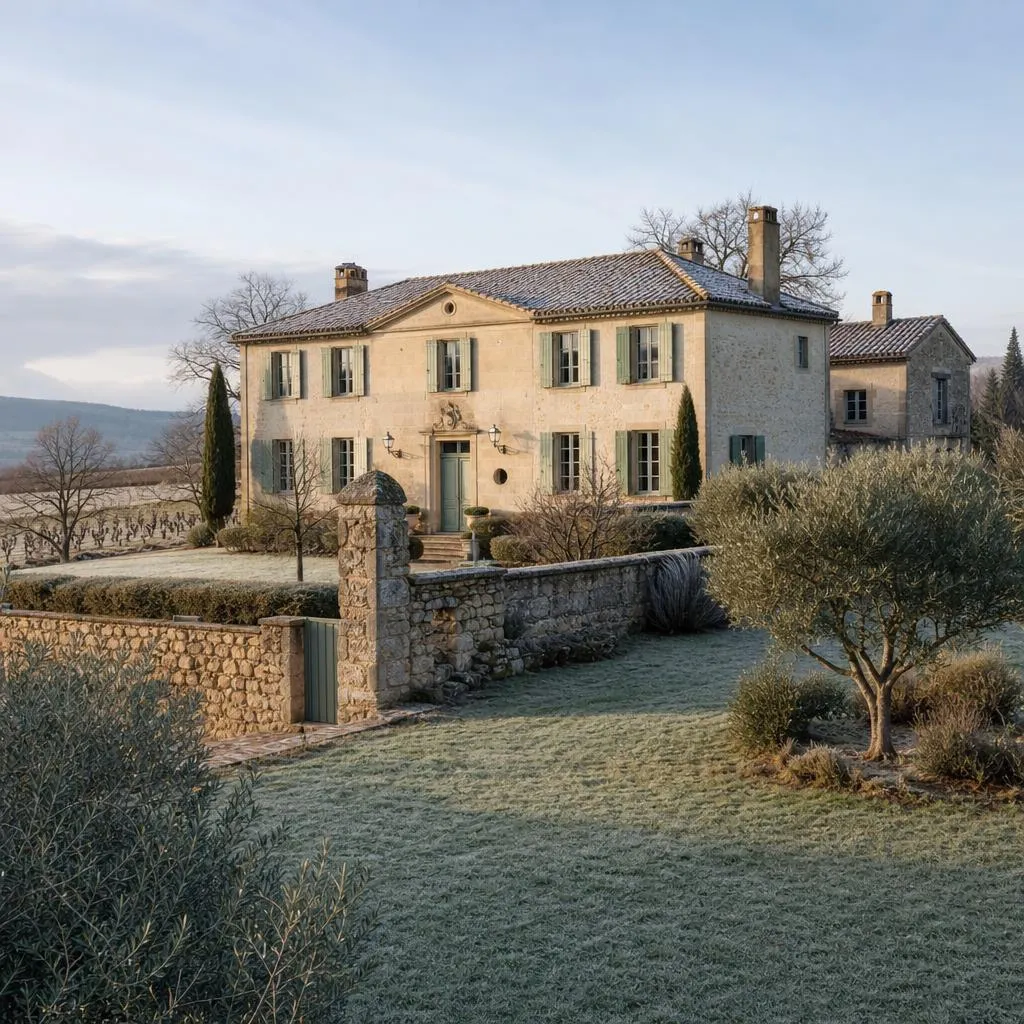
There is something rather special about owning a home in southern France. Long summer evenings, beautiful countryside, leisurely lunches and the pleasure of knowing that your own little corner of France is waiting for you whenever you return.
But what happens when summer ends, the shutters are closed and your property is left empty for several months?
Although southern France enjoys a relatively mild Mediterranean climate, winter can bring freezing temperatures, torrential rain, strong winds and prolonged periods of damp. An unattended property can quickly develop problems that would ordinarily be spotted and resolved within hours.
At Languedoc Private Homes, we live in the Carcassonne region and understand the practical challenges of owning a French property while living elsewhere.
Whether you own a traditional village house in the Minervois, a country estate near Limoux or a villa on the outskirts of Carcassonne, this guide will help you prepare your property for winter and reduce the risk of unpleasant surprises when you return.
The short answer
How should you prepare a French property for winter?
Before leaving your French property unoccupied for an extended period, you should review your home insurance conditions, protect plumbing against frost, establish an appropriate heating and ventilation strategy, prepare your swimming pool and garden, secure the property and arrange regular visits from someone you trust.
The precise preparations will depend on your property's age, construction, location, heating system and insurance requirements.
Here are twelve essential areas to consider.
01Check your French home insurance policy
Before doing anything else, check the conditions of your French home insurance.
One particularly important provision is the clause d'inhabitation, sometimes called a clause d'inoccupation. This relates to the period during which the property remains unoccupied.
French insurer AXA explains that some policies contain unoccupancy limits of between 30 and 90 days. Exceeding the permitted period can affect compensation in the event of theft, depending on the wording of the contract.
Other policy conditions may relate to frost damage, water leaks, security measures and preventative maintenance.
Ask your insurer
- How long can my property remain unoccupied?
- Is my property correctly insured as a second home?
- Am I required to turn off the water supply?
- Must I maintain a minimum indoor temperature?
- Are there specific requirements concerning shutters, locks and alarms?
- Are regular property visits required or recommended?
- Am I covered for storm, flood and frost damage?
- How quickly must I report a problem?
Request written confirmation where anything is unclear.
Useful resource
02Protect your plumbing against freezing temperatures
Many overseas homeowners are surprised by how cold southern France can become during winter.
Frost is a genuine consideration around Carcassonne, particularly in exposed rural locations and higher-altitude areas towards the Montagne Noire and the foothills of the Pyrenees.
When water freezes inside a pipe, it expands and can damage the installation. The resulting leak may only become apparent when temperatures rise again.
In an unattended property, a burst pipe can cause considerable damage before anyone discovers it.
Before leaving:
- Locate and identify your main water shut-off valve.
- Consider turning off the incoming water supply, subject to the requirements of your heating and other systems.
- Insulate exposed pipes and water meters.
- Protect outside taps and irrigation systems.
- Check plumbing in garages, cellars and outbuildings.
- Arrange appropriate draining of vulnerable installations where necessary.
If the house will remain unheated, ask a qualified plumber to advise on winterising the water and heating systems.
03Should you leave the heating on in an empty French house?
In many properties, maintaining a low background temperature is preferable to switching the heating off entirely.
French heating systems may have a hors gel setting, designed to provide basic frost protection.
However, frost protection and damp prevention are not necessarily the same thing.
A modern, well-insulated villa may require a different approach from a centuries-old stone farmhouse with thick walls, limited insulation and exposed pipework.
As an initial planning guide:
| Heating setting | Potential application |
|---|---|
| Frost protection mode, often around 7–8°C | Basic frost protection where appropriate for the building and equipment |
| 10–12°C | A possible background setting for some unoccupied properties |
| 12–15°C | May be appropriate for properties particularly vulnerable to damp or cold |
The appropriate setting should be agreed with your insurer and heating professional, taking into account insulation, humidity, pipe locations and the heating system itself.
Remember that frost protection systems may stop working during an electricity outage or equipment failure.
Before leaving, consider arranging a boiler or heating system check and installing a remotely monitored temperature sensor.
Useful resource
04Prevent damp, condensation and mould
Traditional stone houses are one of the great attractions of property ownership in the Languedoc.
They can, however, require particular attention to moisture management.
A property that remains closed for several months may experience condensation, musty smells, mould growth and deterioration of furnishings, especially if it already has underlying damp problems.
Before leaving:
- Check for existing signs of moisture or water ingress.
- Ensure ventilation openings are clear.
- Keep mechanical ventilation systems, such as a VMC, operating as intended.
- Avoid blocking air vents in an attempt to retain warmth.
- Leave suitable internal cupboard doors slightly open.
- Allow air to circulate around furniture positioned against cold walls.
- Avoid storing fabrics in damp cellars or poorly ventilated rooms.
- Consider temperature and humidity monitoring.
A suitable dehumidifier may help in some properties, but it should not be regarded as a substitute for resolving leaks, defective ventilation or structural damp.
If an appliance is to operate unattended, ensure it is designed and installed for that purpose.
05Prepare your swimming pool for winter
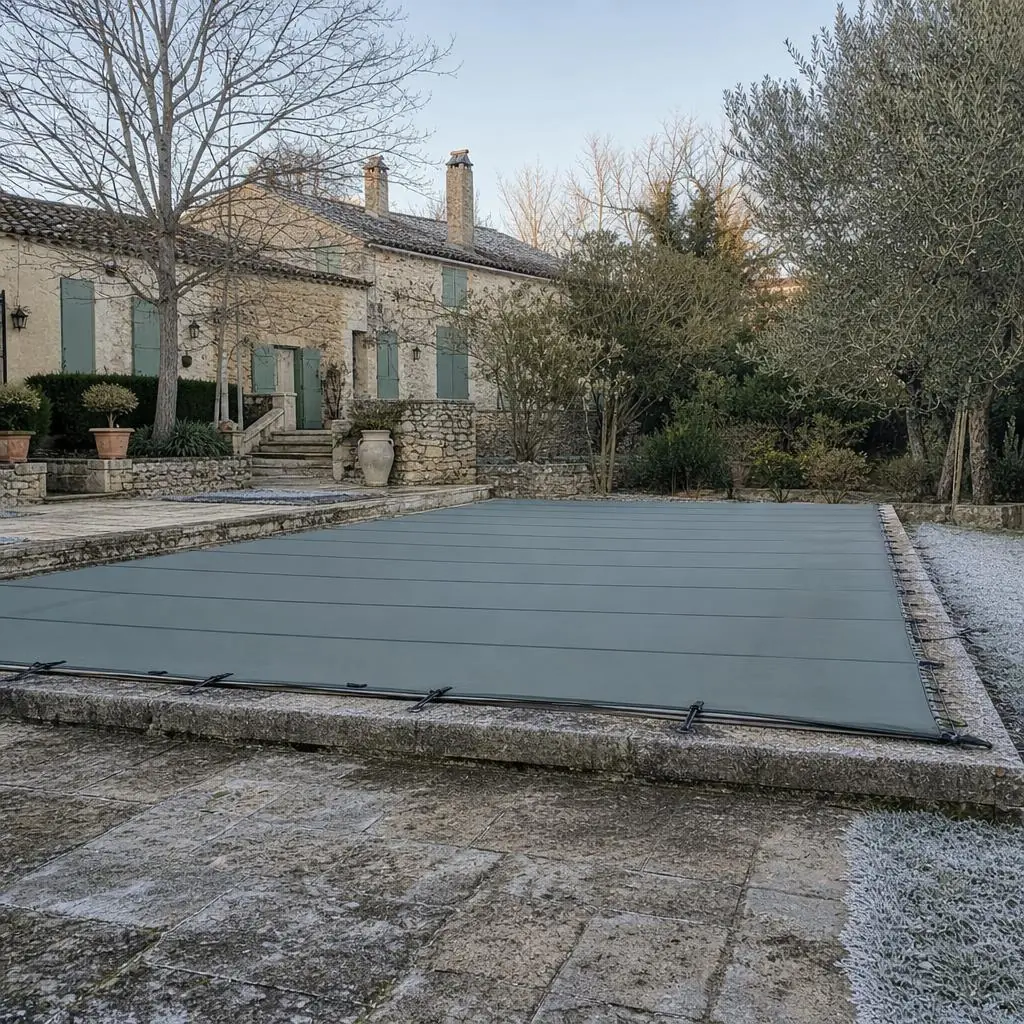
If your French home has a swimming pool, preparing it correctly for winter is essential.
In France, this process is known as hivernage.
There are two principal approaches.
Active winterisation – hivernage actif
The swimming pool continues to operate at a reduced level throughout winter, with water circulation and appropriate frost protection.
This approach requires electricity, ongoing monitoring and correctly functioning equipment.
Passive winterisation – hivernage passif
The pool is prepared for a prolonged shutdown, with the necessary protection of pipework, filtration equipment and other vulnerable components.
The appropriate method depends on your pool design, equipment, location and manufacturer's recommendations.
Before leaving:
- Arrange appropriate professional winterisation.
- Inspect the pool cover and safety equipment.
- Ensure vulnerable equipment is protected against freezing.
- Arrange occasional checks of the pool and surrounding area.
- Ensure someone can respond if the pool equipment fails or water levels become problematic.
06Check the roof, gutters and drainage
Southern France is associated with sunshine, but periods of intense rainfall are also a feature of the regional climate.
Properties around the Aude valley and other local river systems can be particularly exposed to flooding, depending on their precise location.
Blocked gutters, damaged roof tiles and inadequate drainage can turn a period of heavy rainfall into an expensive property repair.
Before winter:
- Arrange gutter and downpipe cleaning.
- Check for visible damaged or displaced roof tiles.
- Ensure external drainage channels are clear.
- Inspect known areas of water penetration.
- Check the condition of shutters and external woodwork.
- Arrange repairs to obvious defects before leaving.
If your property is close to a river, stream or low-lying area, check its specific flood exposure using the French government's Géorisques service.
07Prepare your garden and outdoor areas
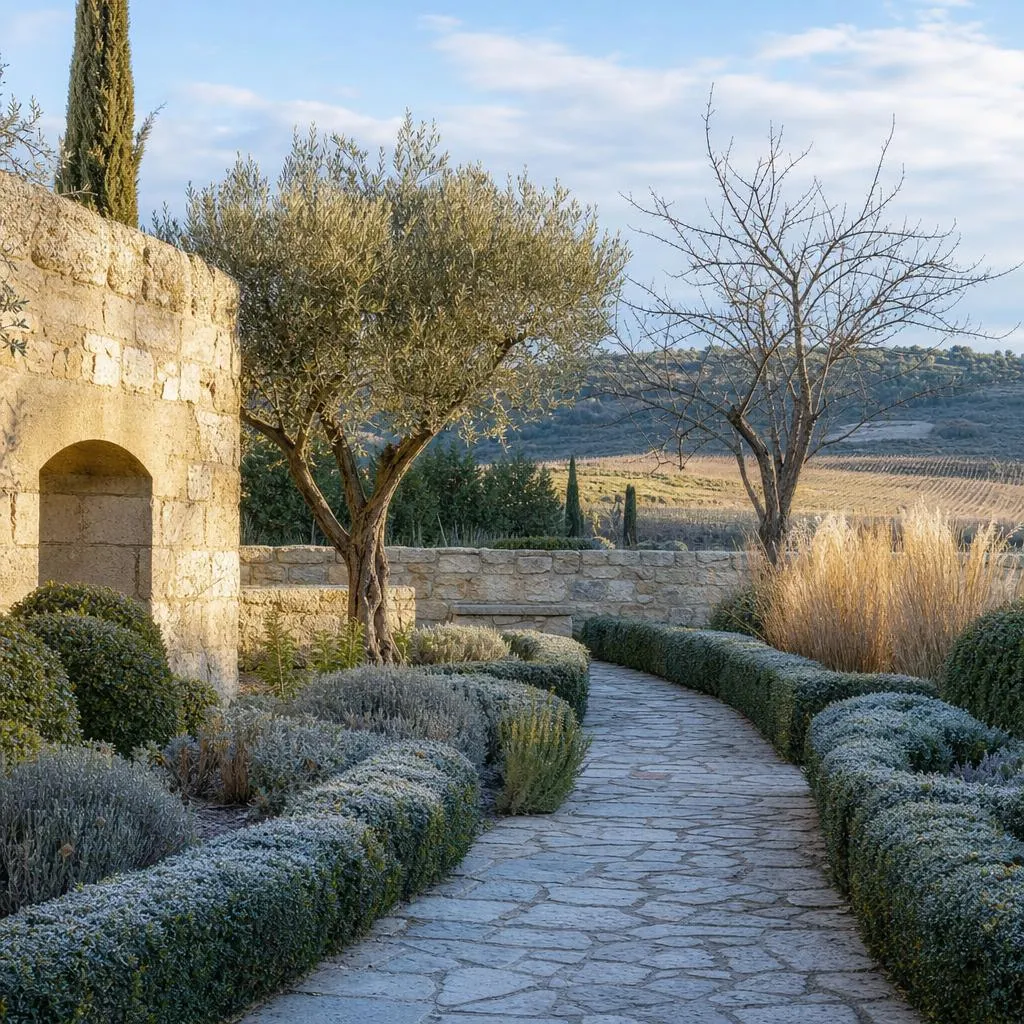
A little preparation in autumn can prevent considerable work in spring.
Depending on your property, consider:
- Pruning vulnerable or overgrown vegetation where appropriate.
- Arranging an assessment of damaged or unstable trees.
- Storing or securing outdoor furniture.
- Protecting frost-sensitive plants.
- Winterising irrigation equipment.
- Clearing leaves from drainage channels.
- Securing garden gates and outbuildings.
- Storing parasols, cushions and other summer equipment.
- Arranging periodic garden maintenance.
Strong winds can damage unsecured garden furniture, shutters and other exterior installations.
A tidy, maintained garden may also help avoid giving the appearance that the property has been abandoned for an extended period.
08Secure your home while you are abroad
An empty property can present a greater opportunity for burglary or unauthorised entry.
Before leaving, ensure windows, doors, shutters, garages and outbuildings are properly secured.
Follow the security requirements of your insurance policy, which may specify particular locking arrangements or the use of shutters.
Additional precautions include:
- Arranging for someone to collect accumulated post.
- Keeping valuable possessions in an appropriate secure location.
- Testing any alarm system.
- Avoiding public announcements of extended absences.
- Using suitable lighting timers where appropriate.
- Leaving keys with a trusted local contact rather than hiding them outside.
A useful French service: Opération Tranquillité Vacances
France operates a free police and gendarmerie scheme known as Opération Tranquillité Vacances, or OTV.
Eligible homeowners can request occasional patrols around their property during their absence.
According to official French government guidance updated in July 2026:
- In police-administered areas, the scheme covers primary residences for eligible periods of absence.
- In gendarmerie-administered areas, it can cover both primary and secondary residences for absences of up to 12 months.
This distinction is important for second-home owners around rural Carcassonne.
Check eligibility for your property's address before applying.
Budgeting for property care: How Much Does Second-Home Property Management Cost in France?
09Manage electricity, appliances and utilities
Switching off every electrical circuit before leaving may appear sensible, but some systems may need to remain operational throughout winter.
These can include:
- Heating and frost protection.
- Mechanical ventilation.
- Alarm systems.
- Internet-connected monitoring equipment.
- Pool filtration.
- Sump or drainage pumps.
Identify which systems must remain operational and which appliances can safely be switched off.
Empty, clean and defrost refrigerators and freezers that will not be used, leaving their doors slightly open once switched off.
Remove perishable food and check cupboards for anything likely to attract pests.
10Consider smart property monitoring
Modern monitoring equipment can provide valuable information when you are hundreds of miles away.
Useful options include:
| Device | Potential benefit |
|---|---|
| Temperature sensor | Alerts you to unusually low indoor temperatures |
| Humidity sensor | Identifies potentially problematic moisture levels |
| Water leak detector | Provides early warning of detected water leaks |
| Smart thermostat | Allows remote temperature adjustments |
| Power failure monitor | Provides alerts when electrical power is interrupted, subject to connectivity |
| Connected alarm | Notifies you of detected security events |
Some systems require an active internet connection, whilst others can use mobile networks.
However, technology has its limitations.
Power failures, internet interruptions, depleted batteries and equipment faults can prevent alerts from reaching you.
And even when a problem is detected, someone may still need to attend the property.
We believe that appropriate technology works best alongside reliable, practical local assistance.
11Arrange regular property visits
One of the most effective ways to reduce the risks associated with an unattended French property is to arrange regular visits from a trusted local contact.
A routine property visit might include:
- Visual checks for signs of water leakage.
- Identifying visible damp or condensation.
- Checking accessible windows, doors and shutters.
- Checking the apparent operation of heating equipment.
- Looking for signs of storm damage from ground level.
- Observing the garden, pool and external areas.
- Collecting accumulated post.
- Providing a photographic update.
Depending on the circumstances, additional visits may be appropriate after particularly cold weather, heavy rainfall or strong winds, once conditions are safe.
How often should an empty property be checked?
The appropriate frequency depends on your property, insurance conditions and equipment.
As a general planning guide:
| Property circumstances | Suggested starting point |
|---|---|
| Modern, low-maintenance property | Every two to four weeks |
| Traditional stone house | Every one to two weeks |
| Larger estate or property with sensitive equipment | Weekly or as individually agreed |
| Known maintenance or moisture problems | More frequent visits where appropriate |
| Following severe weather | Additional visit when safe and practical |
Routine visual property checks are not a substitute for specialist technical inspections, professional security services or emergency response arrangements.
12Plan for your return in spring
Preparing your home for your return can be just as important as closing it for winter.
Before arriving, consider arranging:
- A general property visit.
- A check for visible damp or damage.
- Appropriate reinstatement of water supplies.
- Heating and hot water preparation.
- Pool recommissioning.
- Garden maintenance.
- Cleaning and airing of rooms.
- Any outstanding repairs.
- Professional recommissioning of winterised equipment where required.
The ideal scenario is to arrive at your French home ready to enjoy it, rather than spending the first week arranging repairs.
Interactive resource
Your French property winter checklist
Use this checklist before leaving your property for an extended period. Tick items as you go. Nothing you select is sent anywhere.
Frequently asked questions
Can I leave my French second home empty for six months?
Yes, but you should establish whether your insurance policy imposes any restrictions or preventative measures for extended periods of unoccupancy. Appropriate winter preparations and regular property visits are advisable.
Does my French home insurance become invalid if my property is empty for too long?
Not necessarily. Some policies restrict particular types of cover after a specified absence period. The exact consequences depend on your insurance contract. Always confirm the position with your insurer before leaving for an extended period.
Should I turn off the water when leaving my French house empty?
Turning off the incoming water supply can reduce the potential damage caused by leaks. However, the requirements of heating equipment, appliances and other installations must be considered. Professional winterisation may also be necessary.
What temperature should I leave my empty French house at during winter?
A frost protection setting may be suitable for some buildings, while others benefit from a higher background temperature. The appropriate setting depends on the property's insulation, plumbing, moisture levels, heating equipment and insurance conditions.
Can pipes freeze in southern France?
Yes. Despite its relatively mild climate, southern France experiences freezing temperatures. Exposed plumbing, outdoor taps, irrigation systems and unheated outbuildings can be particularly vulnerable.
Should I turn off the ventilation system when leaving my house?
Generally, mechanical ventilation should continue to operate as designed unless a qualified professional advises otherwise. Inadequate ventilation can contribute to moisture problems.
Can the French police check my second home while I am abroad?
Eligible second homes in gendarmerie areas may benefit from the free Opération Tranquillité Vacances scheme. Confirm eligibility for your specific address.
Can a local property concierge arrange winter preparation?
A property concierge can help arrange appropriate maintenance, scheduled property visits and access for independent professionals, depending on the agreed service scope.
Who can look after my French property near Carcassonne while I'm abroad?
Languedoc Private Homes provides English-speaking property care and practical local assistance in the Carcassonne region, subject to agreed service coverage and availability.
This guide provides general information for property owners. Individual requirements vary according to building characteristics, equipment, location and insurance conditions. Consult your insurer and relevant qualified professionals where appropriate.
Further reading and references
- AXA – Understanding home insurance unoccupancy clauses (opens in a new tab)
- GMF – Protecting water pipes against frost (opens in a new tab)
- ADEME – Reducing household energy consumption (opens in a new tab)
- Qualitel – Ventilating your home (opens in a new tab)
- Qualitel – Managing indoor humidity (opens in a new tab)
- French Federation of Pool Professionals – Pool winterisation (opens in a new tab)
- Service Public – Opération Tranquillité Vacances (opens in a new tab)
- Géorisques – Flood risks (opens in a new tab)
- Météo-France – Weather warnings (opens in a new tab)
About this guide
This guide provides general information for homeowners in France. The right approach depends on your property and circumstances. Any costs shown are illustrative. Before commissioning work or making a decision about safety, insurance or legal requirements, check the details with a suitably qualified professional or the relevant authority.

From the founders
Enjoy your French home, without the worry
Owning a property in France should be a pleasure, not a source of anxiety whenever you're away.
We're Ben and Julia, an Anglo-French couple who have called this beautiful region home for the past 13 years.
We established Languedoc Private Homes to help international homeowners enjoy the benefits of owning a French property, with the reassurance of having a dependable local point of contact.
Whether you need occasional property visits, ongoing property care or assistance arranging maintenance and improvements, we'd be delighted to discuss how we can help.
Your home in France. In exceptional hands.
How second-home property care worksProperty care is offered subject to agreed service coverage and availability.
Carcassonne · Aude · Languedoc · Southern France