French Property Ownership
How to Manage Your French Second Home from Abroad: The Complete Guide
Second-home ownership
Everything you need to know about looking after your French property when you live overseas.
In this guide21 sections
Owning a second home in France is a dream for many people.
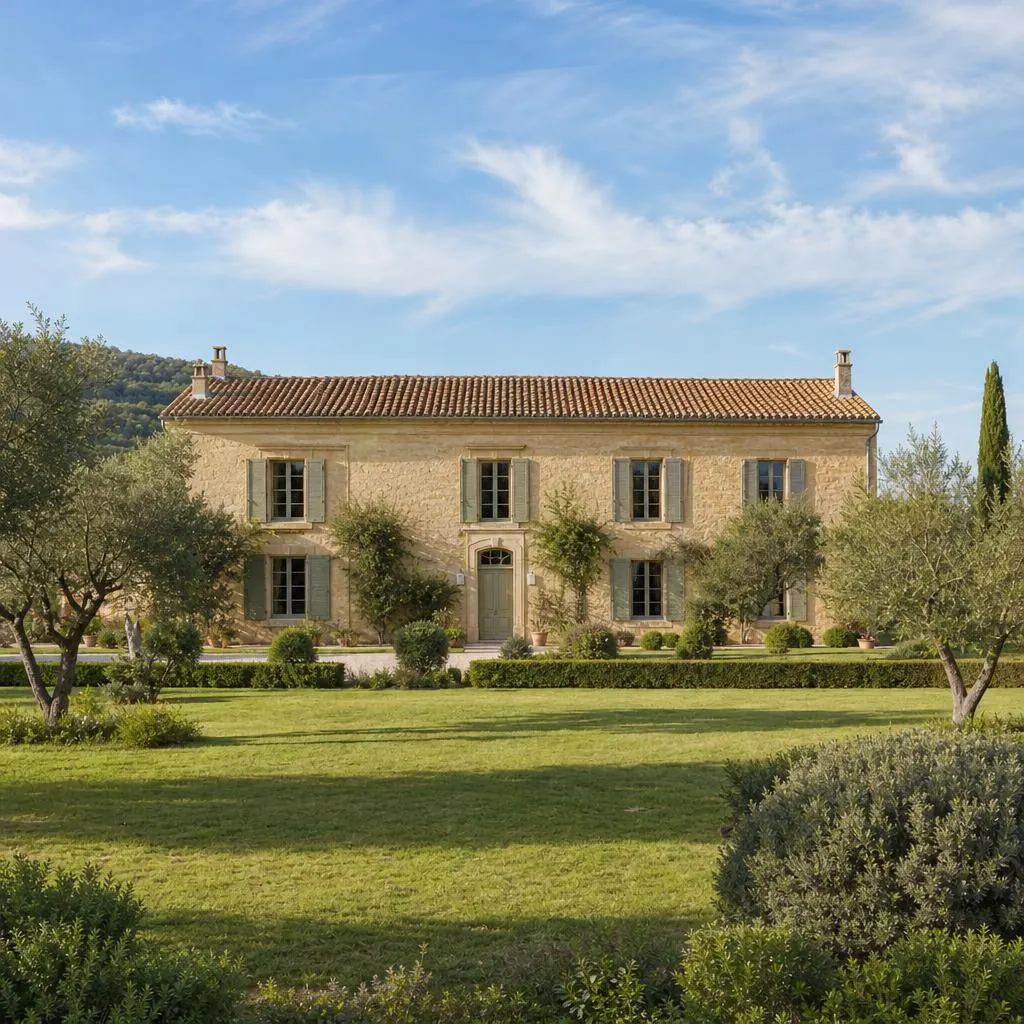
Perhaps it's a traditional stone house tucked away in a picturesque village, a converted farmhouse surrounded by vineyards or a beautiful country property with a swimming pool and views across the Languedoc countryside.
There is the pleasure of long summer evenings, visits to local markets, meals on the terrace and the feeling of having somewhere special to escape to.
But owning a French property when your everyday life is based in another country also brings responsibilities.
Who checks the house when you're away? Who arranges repairs if something goes wrong? How do you find reliable tradespeople, keep up with French administrative requirements and ensure your home is ready whenever you return?
Fortunately, with a little organisation and the right local support, managing a French second home from abroad can be considerably easier than you might imagine.
We're Ben and Julia, an Anglo-French couple who have called the Carcassonne region home for the past 13 years. We established Languedoc Private Homes to help international homeowners enjoy their properties with the reassurance of having someone local to turn to.
In this guide, we explore the practical, financial and administrative aspects of managing your French second home remotely.
The short answer
How do you manage a French second home from abroad?
The most effective way to manage a French second home remotely is to establish a reliable local point of contact, arrange scheduled property visits, organise preventative maintenance, keep insurance and administrative responsibilities up to date, and have a clear plan for dealing with unexpected problems.
Technology can help you monitor certain aspects of your property, but having someone nearby who can attend in person when required is equally important.
A good arrangement should give you visibility over the condition of your home, control over expenditure and confidence that problems will not simply go unnoticed until your next visit.
01Establish a reliable local point of contact
One of the most important decisions you can make as an overseas property owner is determining who will look after your interests when you are not in France.
There are several possible approaches.
| Option | Advantages | Potential limitations |
|---|---|---|
| A trusted neighbour | Local, familiar and potentially inexpensive | May be unavailable or unable to manage more complex problems |
| Friends or relatives | Personal relationship and familiarity | Can become a significant responsibility |
| Individual tradespeople | Specialist knowledge of particular systems | Usually limited to their own trade |
| House sitter | Regular presence while staying at the property | Not necessarily suitable for maintenance or long-term coordination |
| Property concierge | Scheduled visits, reporting and practical assistance | Professional service costs and agreed scope |
| Rental management company | Can manage letting-related responsibilities within its authorisation | May be unnecessary for privately used second homes |
For many international homeowners who do not rent out their properties, a dedicated property care or concierge service offers an attractive balance.
Rather than trying to manage numerous different contacts from abroad, you have someone nearby who understands your requirements and can help coordinate practical matters.
What should a local property representative do?
Depending on the agreed service, a local representative may help with:
- Scheduled visual property checks.
- Keyholding.
- Photographic updates.
- Identifying visible maintenance problems.
- Arranging access for tradespeople.
- Helping obtain repair quotations.
- Coordinating routine maintenance appointments.
- Preparing the property before your arrival.
- Providing practical local assistance.
The precise responsibilities, availability and charges should be clearly agreed in advance.
Practical property care is different from regulated estate agency, rental management, professional surveying or technical supervision of building works. Where specialist or regulated services are required, suitably qualified and authorised professionals should be appointed.
02Arrange regular property checks
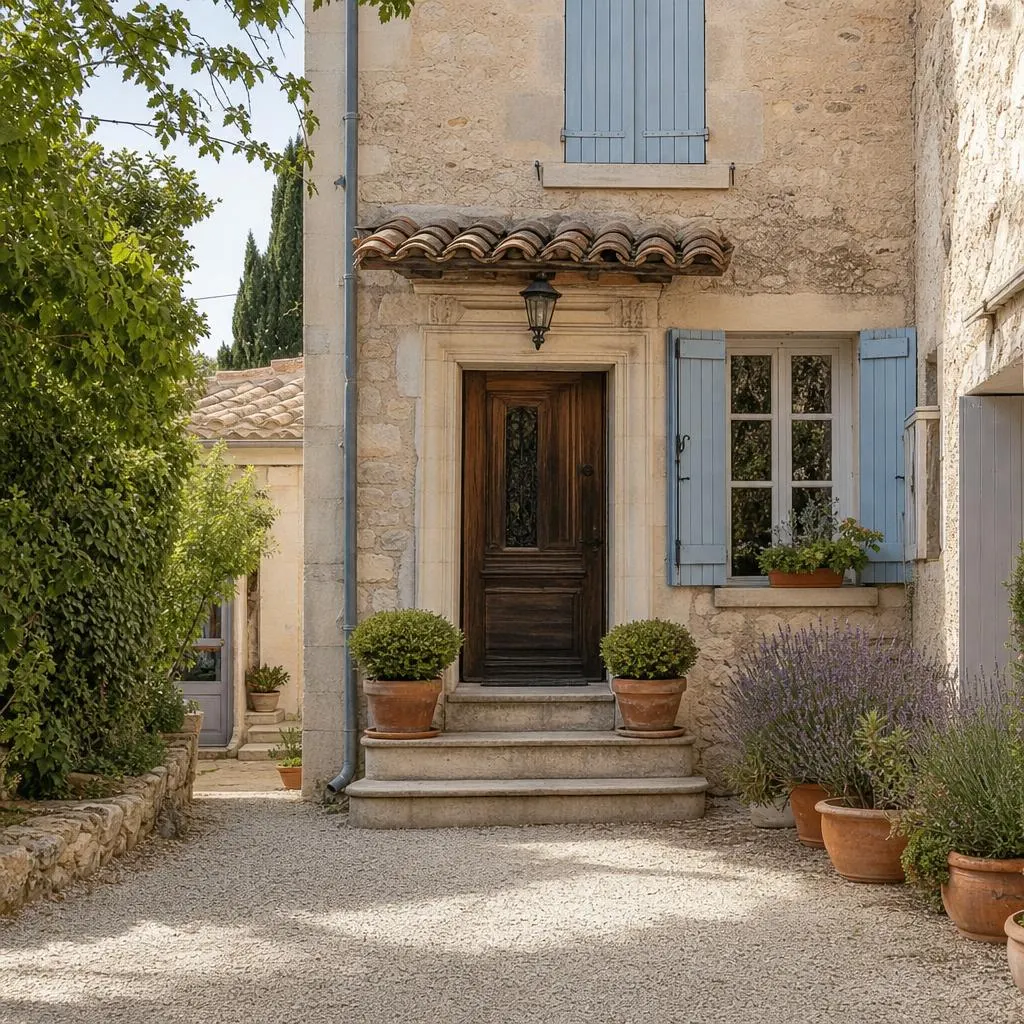
An empty house can develop problems remarkably quickly.
A minor roof leak, an electrical outage, a faulty pool pump or a damaged water pipe may go unnoticed for weeks if nobody is visiting the property.
Regular visual checks can help identify certain problems before they become more disruptive or expensive.
What should a property visit include?
A routine visit might include:
Inside the property
- Looking for visible water leaks.
- Observing signs of damp, condensation or mould.
- Checking accessible windows and doors.
- Looking for evidence of pest activity.
- Checking the apparent operation of essential equipment where agreed.
- Checking temperature or humidity readings where appropriate.
Outside the property
- Looking for visible storm damage from ground level.
- Checking accessible shutters and external doors.
- Observing the condition of the garden.
- Looking for obvious drainage problems.
- Reviewing the general condition of pool and outdoor areas.
Reporting
- Date and time of the visit.
- Photographs where appropriate.
- Observations and potential concerns.
- Recommended next steps.
- Maintenance arrangements requiring your approval.
A written record can be particularly useful when comparing the property's condition over time.
How often should your French property be checked?
There is no single schedule suitable for every home.
| Property type | Suggested starting frequency |
|---|---|
| Modern, low-maintenance house or apartment | Monthly or fortnightly |
| Traditional village house | Fortnightly |
| Older farmhouse or large country property | Weekly or fortnightly |
| Property with a swimming pool and extensive grounds | Weekly, with specialist maintenance arranged separately |
| Property with known maintenance problems | Individually agreed, potentially more frequently |
| Following severe weather | Additional visit when safe and appropriate |
These frequencies are general planning suggestions, not universal recommendations or insurance requirements.
Your insurer may impose particular requirements, and your property's individual circumstances may justify a different schedule.
03Understand your French home insurance
Insurance is particularly important when your property remains unoccupied for extended periods.
A policy designed for a permanently occupied main residence may not provide suitable protection for a second home that remains empty for several months.
French home insurance policies may contain a clause known as a clause d'inhabitation or clause d'inoccupation.
French insurer AXA explains that some policies specify permitted periods of unoccupancy of between 30 and 90 days, depending on the insurer and contract.
The consequences of exceeding these periods vary, but particular guarantees, such as theft cover, may be affected.
Before leaving your property unattended, establish whether your insurance includes:
- Adequate second-home cover.
- Protection during prolonged absences.
- Theft and attempted burglary.
- Water damage.
- Fire and storm damage.
- Frost-related damage.
- Applicable natural disaster cover.
- Swimming pools and outbuildings where relevant.
- Specific maintenance and security requirements.
Ask whether you must:
- Shut off the water supply.
- Maintain a minimum heating temperature.
- Close and secure shutters.
- Keep certain alarm systems operating.
- Arrange regular property visits.
- Notify the insurer before extended absences.
Do not assume that occasional caretaker visits automatically satisfy an insurance policy's occupancy requirements.
Request written confirmation of the relevant conditions and keep your insurance documents accessible from abroad.
Useful resources:
A little local reassurance
If you own a second home around Carcassonne, we can help arrange scheduled property visits and practical local assistance according to your requirements.
Discover our Property Care & Concierge services or get in touch to discuss a suitable arrangement.
04Keep up with French taxes and administrative responsibilities
Owning a property in France involves certain administrative and financial obligations, even if you live permanently abroad.
It is worth familiarising yourself with some of the most important ones.
Taxe foncière
Taxe foncière is an annual property ownership tax.
It generally applies to the person who owns the property, or holds the relevant usufruct rights, on 1 January of the tax year.
The amount varies according to the property and local taxation rates.
Living outside France does not automatically remove this liability.
Taxe d'habitation
Although France abolished taxe d'habitation on principal residences, it remains applicable to qualifying second homes.
Certain municipalities can apply additional surcharges.
The precise amount and applicability will depend on the property's circumstances and location.
Déclaration d'occupation
French property owners are required to declare how their property is occupied.
This is managed through the Gérer mes biens immobiliers section of the French tax administration website, impots.gouv.fr.
If you have not previously submitted the required declaration, or the occupation status changes, you should check whether an updated declaration is necessary and confirm the applicable deadline.
Other potential financial responsibilities
Depending on your property and circumstances, these may include:
- Electricity and water bills.
- Waste collection charges.
- Internet subscriptions.
- Insurance premiums.
- Co-ownership or copropriété charges.
- Septic system inspection charges.
- Tax obligations arising from rental income.
- Maintenance and servicing contracts.
Maintain access to your French tax account and check correspondence regularly.
Professional tax advice may be appropriate where you rent out the property, hold it through a company or have a more complex international financial situation.
Useful resources:
05Create an annual property maintenance schedule
One of the benefits of regular preventative maintenance is that it may help avoid more substantial repairs later.
This is particularly relevant to traditional French properties, where roofs, shutters, stonework, drainage systems and older plumbing may require ongoing attention.
Rather than waiting for something to go wrong, establish an annual maintenance schedule.
Spring: prepare for the warmer months
March to May is an ideal period to consider:
- Reviewing any visible winter damage.
- Arranging gutter or roof maintenance where required.
- Recommissioning the swimming pool.
- Checking garden irrigation.
- Arranging landscaping and garden maintenance.
- Inspecting shutters and external paintwork.
- Checking air conditioning equipment.
- Reviewing any repairs before the summer season.
Summer: protect your property during hot weather
From June to August:
- Arrange appropriate swimming pool maintenance.
- Manage garden watering responsibly.
- Check cooling equipment.
- Monitor relevant water restrictions.
- Check for excessive vegetation growth.
- Maintain appropriate wildfire prevention arrangements.
- Review the property's condition between visits.
Autumn: prepare for winter
From September to November:
- Arrange gutter cleaning.
- Review roof and drainage maintenance requirements.
- Arrange heating system servicing.
- Check applicable chimney sweeping requirements.
- Winterise the swimming pool.
- Protect outside taps and vulnerable pipework.
- Secure outdoor furniture.
- Plan winter property visits.
Winter: monitor and protect
From December to February:
- Arrange appropriate frost protection.
- Monitor signs of leaks and damp.
- Check the apparent operation of heating and ventilation.
- Review the property after severe weather, when safe.
- Observe swimming pool winterisation arrangements.
- Plan repairs and improvements for spring.
Certain heating systems and chimney installations are subject to mandatory maintenance or servicing requirements. Confirm the applicable rules for your equipment with a qualified professional.
Keep copies of all maintenance records, invoices and certificates.
For a more detailed guide to winter preparation, read our article:
Leaving Your French Property Empty Over Winter: The Complete Guide.
Useful resources:
06Understand the particular challenges of southern France
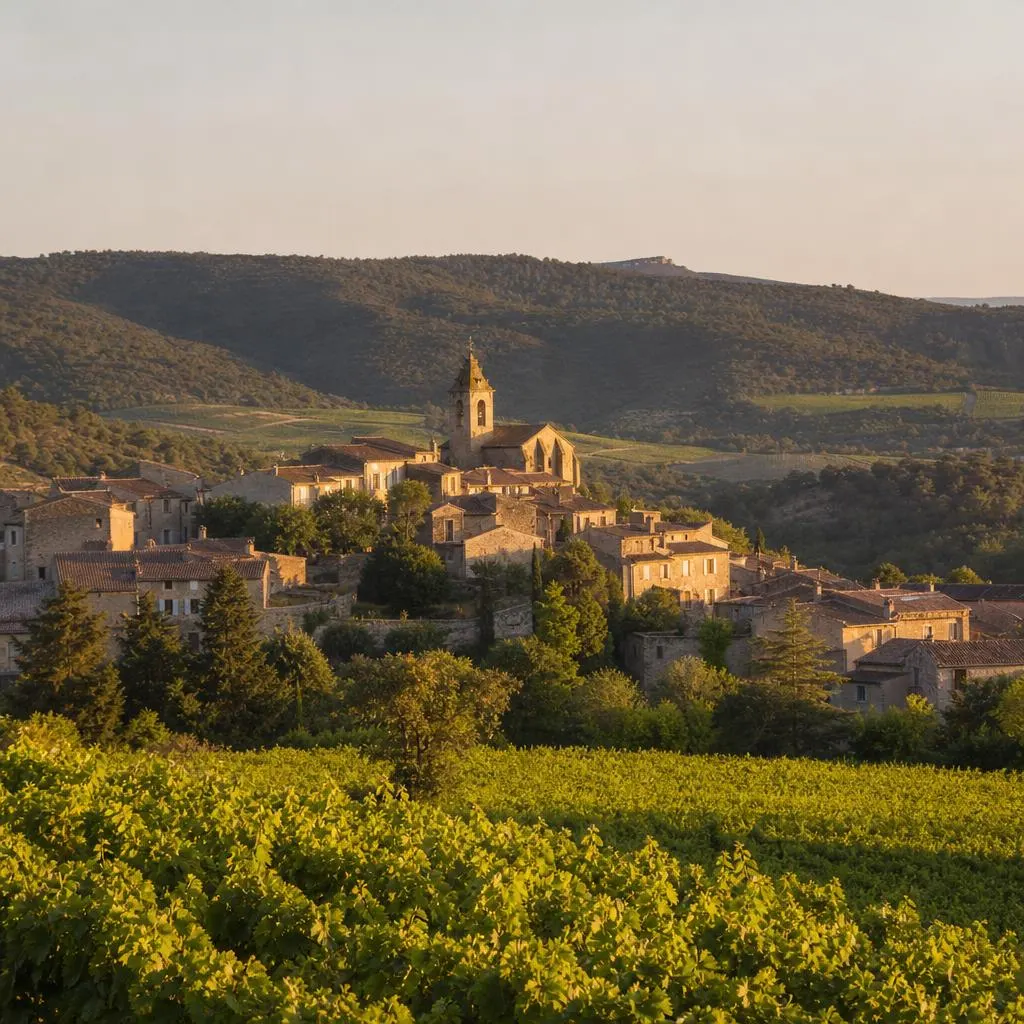
The Languedoc is a wonderful place to own a property, but its climate brings some specific maintenance considerations.
The idyllic summer weather should not obscure the fact that properties may also be exposed to strong winds, intense rainfall, occasional frost, drought and wildfire risks.
Intense rainfall and flooding
Properties near rivers, streams or low-lying areas may be vulnerable to flooding.
The Aude valley has experienced serious flooding, making it particularly important for property owners to understand their property's individual exposure.
Even properties outside designated flood zones can suffer from surface water, inadequate drainage or overflowing gutters.
The French government's Géorisques website allows owners to investigate recognised natural hazards affecting their property.
Wildfire prevention
Certain properties in southern France are subject to obligations légales de débroussaillement, commonly abbreviated to OLD.
These are legal requirements concerning vegetation clearance and maintenance around buildings in areas exposed to wildfire.
The precise obligations depend on the property's location and applicable regulations.
In some circumstances, the area to be cleared can extend beyond the boundaries of your own land.
If you own a rural property, particularly near woodland or scrubland, check the requirements applicable to your specific address.
Drought and water restrictions
During periods of water scarcity, local restrictions may affect:
- Garden watering.
- Irrigation.
- Swimming pool filling.
- Swimming pool draining.
- Other uses of mains water.
These restrictions can change throughout the year.
The government's VigiEau service allows homeowners to check current restrictions for their address.
Frost and winter temperatures
Although southern France benefits from a relatively mild climate, freezing temperatures do occur.
Exposed plumbing, unheated outbuildings, irrigation equipment and older heating installations may require particular attention.
Understanding the specific characteristics of your property is more useful than relying on general assumptions about the region's weather.
Useful resources:
07Find reliable French tradespeople
Finding suitable builders and artisans is one of the challenges frequently concerning overseas property owners.
When you live abroad, it can be more difficult to determine whether a company is properly established, appropriately insured and suitable for the work required.
Language barriers can make the process more complicated.
What should you check before appointing a tradesperson?
Consider checking:
- The company's registered legal identity.
- Its SIREN or SIRET number.
- Relevant qualifications where applicable.
- Appropriate professional insurance.
- Experience with comparable properties or projects.
- Genuine references.
- The scope and detail of its written quotation.
- Availability and anticipated timescales.
- Payment terms.
- Responsibility for materials and waste removal.
You can check publicly available company registration information through France's official business directory.
Understanding a French devis
A devis is a quotation setting out the proposed work and associated charges.
Depending on the work concerned, French law requires certain information to be included.
Before accepting a quotation, make sure you understand:
- Exactly what work is included.
- What is excluded.
- Which materials and finishes are specified.
- The total price, including applicable taxes.
- Any required deposit.
- The agreed payment stages.
- Expected completion dates.
- How additional work or changes will be handled.
Accepting a quotation can create a contractual commitment.
If you are uncertain about the French terminology, obtain clarification or an appropriate translation before agreeing to the work.
Understanding décennale insurance
For applicable construction and major renovation work, professionals must carry the relevant statutory ten-year construction liability insurance, commonly referred to as assurance décennale.
It can cover specified serious construction defects arising after formal acceptance of the works.
Check that:
- The policy is valid when the work begins.
- The relevant work is covered by the insured activities.
- The insured legal entity matches your contractor.
- You receive the required insurance documentation.
If you are commissioning substantial works, also investigate whether you are required to obtain assurance dommages-ouvrage, which is a separate form of construction insurance for the property owner.
For technical or substantial renovation projects, an independent architect, qualified project manager or other suitable professional may be appropriate.
Useful resources:
Planning improvements to your French home?
Whether you are considering a new kitchen, a swimming pool, roofing work or a complete renovation, Languedoc Private Homes can help you explore suitable local professional introductions, subject to availability and the requirements of your project.
Tell us about your renovation plans.
Further reading: How to Find Reliable English-Speaking Builders in France: The Complete Guide
08Manage repairs and renovations remotely
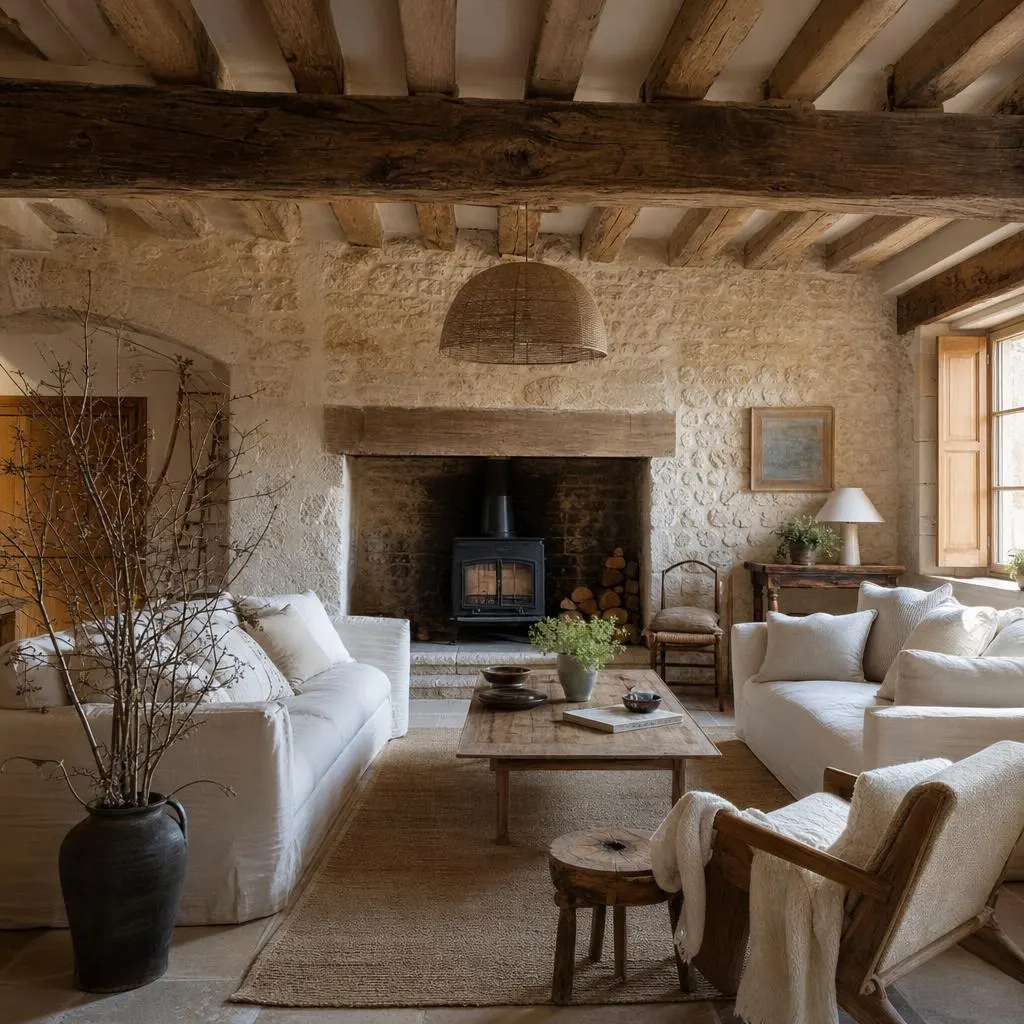
Being overseas does not mean that you cannot improve your French property.
However, clear communication and sensible project arrangements become particularly important when you cannot attend personally.
Before beginning any substantial project:
- Define what you want to achieve.
- Establish a realistic budget.
- Check applicable planning and building requirements.
- Obtain appropriate professional advice.
- Obtain detailed quotations.
- Verify contractor registrations and relevant insurance.
- Agree how progress will be reported.
- Establish how additional expenditure will be authorised.
- Agree a documented payment schedule.
- Arrange appropriate arrangements for accepting completed works.
Photographic updates can be particularly helpful when following progress from another country.
However, photographs and general visual observations are not a substitute for professional assessment or technical supervision.
For substantial work, appoint the professionals necessary to manage and inspect the project appropriately.
A local property concierge can assist with practical matters such as arranging access, helping with communication and obtaining information, within the agreed service scope.
09Keep your swimming pool and garden maintained
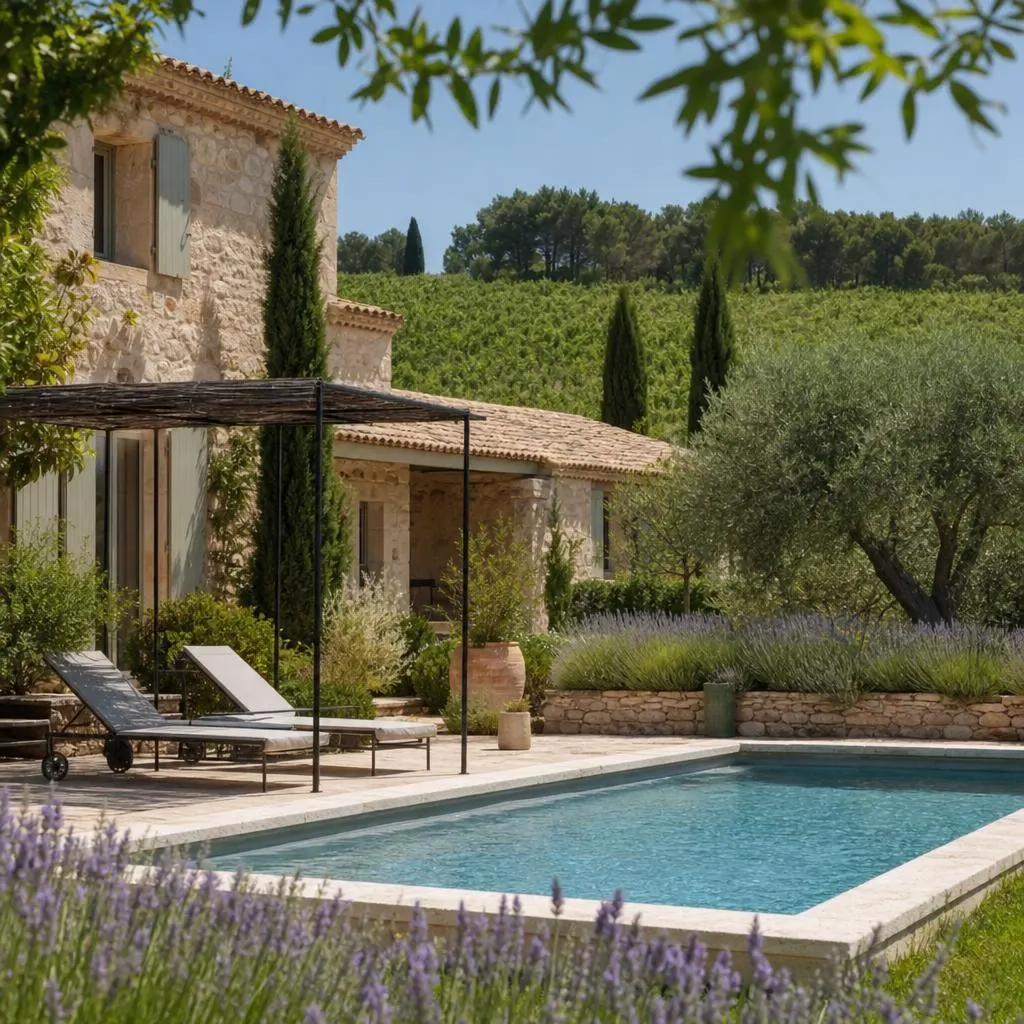
A swimming pool and attractive garden are among the great pleasures of owning a home in southern France.
Both require attention, including when you are not there to enjoy them.
Swimming pool management
Typical ongoing requirements may include:
- Water quality monitoring.
- Filtration equipment maintenance.
- Cleaning.
- Seasonal opening and closing.
- Monitoring equipment faults.
- Maintaining appropriate water levels within applicable restrictions.
- Checking pool covers and safety arrangements.
In France, private uncovered in-ground pools are generally required to have an approved safety device to help prevent drowning.
Depending on the pool and installation, appropriate devices can include compliant barriers, alarms, safety covers or enclosures.
Confirm the applicable requirements and suitability of your equipment with a pool professional.
An ordinary winter cover is not necessarily a compliant safety cover.
Garden and grounds maintenance
Typical arrangements include:
- Lawn maintenance.
- Pruning.
- Hedge maintenance.
- Irrigation checks.
- Vegetation management.
- Maintaining paths and terraces.
- Monitoring trees and outdoor structures.
- Preparing the garden for seasonal changes.
Rural properties may have additional vegetation clearance responsibilities.
Consider establishing recurring maintenance arrangements rather than organising everything immediately before you arrive.
Useful resource:
Service Public – Safety requirements for private swimming pools
10Use smart technology to stay connected
Modern technology can help you remain informed about certain aspects of your French property, wherever you are in the world.
Potentially useful equipment includes:
| Technology | What it can help you monitor |
|---|---|
| Smart thermostat | Heating settings and indoor temperature |
| Temperature sensor | Unusually low or high temperatures |
| Humidity sensor | Changes in indoor moisture levels |
| Water leak detector | Detected leaks in monitored areas |
| Electricity monitoring | Changes in power availability or consumption |
| Connected alarm | Detected security incidents |
| Outdoor weather sensor | Local conditions at the property |
| Connected pool monitoring | Compatible pool equipment and water parameters |
Some devices require a permanent internet connection, while others can operate through mobile networks.
Consider what would happen if your property lost electricity or internet connectivity.
Remote monitoring is useful, but no system can guarantee that every problem will be detected.
If installing cameras, ensure their positioning and operation respect applicable privacy requirements, including the privacy of neighbours and people working at your property.
The most practical approach is often to combine suitable technology with someone nearby who can respond when appropriate.
Budgeting for property care: How Much Does Second-Home Property Management Cost in France?
11Have a plan for unexpected problems
Imagine receiving a notification on a Sunday evening that your French property has suffered a power outage.
Or hearing from a neighbour that part of your roof appears to have been damaged during a storm.
Who should be contacted? Who has keys? Who can arrange an appropriate repair? What happens if you cannot be reached immediately?
These questions are considerably easier to answer before an incident occurs.
Create a property emergency information sheet
Keep a secure record of:
- Your property's full address.
- Your contact details.
- A secondary authorised owner contact.
- Your local keyholder or property representative.
- Your insurer and policy reference.
- Your insurer's assistance telephone number.
- Your electricity and water providers.
- Relevant heating and plumbing contacts.
- The location of the main water shut-off valve.
- Essential equipment information.
- Agreed procedures for unexpected problems.
Do not store alarm codes, sensitive access credentials or key locations in unsecured documents.
Agree spending authorisation
Discuss in advance how urgent expenditure should be handled.
For example, you might agree that your local representative can arrange a limited amount of appropriate urgent assistance, subject to a clearly documented spending limit and agreed circumstances.
Non-urgent or more substantial expenditure should normally require your specific approval.
This can help avoid unnecessary delays while ensuring you remain in control of your costs.
Useful French emergency numbers
| Emergency service | Number when calling from France |
|---|---|
| European emergency number | 112 |
| Fire and rescue services | 18 |
| Police or gendarmerie | 17 |
| Medical emergency services | 15 |
If you are abroad, dialling 112 normally connects you with the emergency services in the country from which you are calling, not automatically with the French authorities responsible for your property.
Arrange a local contact who can alert the appropriate French services if necessary.
In dangerous situations, personal safety and emergency services take priority over property inspections or repairs.
Useful resource:
Service Public – French emergency telephone numbers
Budgeting the work: How Much Does It Cost to Renovate a House in Southern France?
12Take advantage of useful French public services
International homeowners may be unaware of some helpful services available in France.
Opération Tranquillité Vacances
France operates a free scheme called Opération Tranquillité Vacances, or OTV.
It allows eligible property owners to request police or gendarmerie patrols during periods of absence.
In areas administered by the gendarmerie, eligible second homes can be included for absences of up to twelve months.
Different eligibility rules apply in police-administered areas.
You should check the arrangements for your particular property before applying.
The service does not replace routine internal property visits, insurance obligations or maintenance arrangements.
Géorisques
This official website provides information about recognised natural and technological risks associated with particular locations.
It can be especially useful for understanding potential flood, wildfire and ground-related risks.
VigiEau
Check water restrictions applicable to your property's location.
Météo-France
Monitor official severe weather warnings for the Aude and surrounding areas.
Useful websites:
13How much does it cost to manage a French second home?
The ongoing costs of owning a second home depend considerably on the property's size, condition, facilities, location and frequency of use.
A small village house will naturally have different maintenance requirements from a country estate with extensive gardens and a swimming pool.
When preparing your annual budget, consider the following categories.
| Expense | What to include |
|---|---|
| Property taxes | Taxe foncière and applicable taxe d'habitation |
| Insurance | Suitable second-home insurance |
| Utilities | Electricity, water, heating and internet |
| Property care | Scheduled visits and local assistance |
| Garden maintenance | Routine and seasonal work |
| Swimming pool | Cleaning, servicing, consumables and winterisation |
| Preventative maintenance | Heating, roofing, gutters and other systems |
| Repairs | Unexpected maintenance and equipment replacement |
| Travel | Journeys to and from France |
Illustrative annual ownership budgets
The following examples are purely illustrative budgeting scenarios, not researched market averages, service quotations or predictions of actual expenditure.
They exclude mortgage costs, significant renovation projects, major equipment replacement, travel and financial advice.
| Annual expense | Village house | Country house with pool | Larger country estate |
|---|---|---|---|
| Local property taxes | €1,200 | €2,200 | €4,000 |
| Insurance | €450 | €700 | €1,200 |
| Utilities | €1,200 | €2,400 | €4,500 |
| Property care | €1,548 | €2,988 | €5,940 |
| Garden maintenance | €300 | €1,500 | €4,500 |
| Swimming pool maintenance | €0 | €1,000 | €1,800 |
| Routine maintenance and repair reserve | €1,000 | €2,500 | €5,000 |
| **Illustrative annual total** | €5,698 | €13,288 | €26,940 |
These examples are designed to help you identify the costs that should be included in your own budget.
The actual amounts could be substantially higher or lower.
Obtain appropriate local quotations and check your property's actual tax and utility bills before establishing a budget.
The property care figures above illustrate hypothetical monthly arrangements of €129, €249 and €495 respectively and do not represent guaranteed quotations.
14What should you look for in a French property concierge?
If you decide to appoint a local property care company, take time to understand exactly what is being offered.
The relationship involves more than simply arranging occasional visits.
You may be entrusting someone with access to your home, personal information and responsibility for communicating problems.
Questions worth asking include:
- Are you genuinely based locally?
- Who will actually visit my property?
- Can we communicate comfortably in English?
- What does a routine property visit include?
- Will I receive photographs and written updates?
- How are keys and access arrangements managed?
- What is your availability?
- What happens if a problem is discovered?
- How is additional expenditure authorised?
- Do you have appropriate professional insurance?
- How are maintenance providers selected?
- Are contractor referral fees disclosed?
- What is included in the monthly price?
- Are there additional charges for travel or call-outs?
- What are the cancellation arrangements?
A good property care agreement should clearly explain the services provided, the limitations of those services, the costs involved and how communication will be managed.
Some owners require little more than an occasional visit and a keyholder.
Others benefit from a more comprehensive arrangement involving recurring maintenance, property preparation and assistance with improvements.
The most suitable approach is one tailored to your specific property and requirements.
15Create a simple French property management file
One of the easiest ways to make overseas property ownership more manageable is to keep your important information organised.
Create a securely stored digital or physical property file.
Include:
Ownership and administration
- Property purchase documents.
- Relevant ownership information.
- Property tax records.
- French tax account information.
- Planning permissions where applicable.
Insurance
- Current policy documents.
- Insurer contact information.
- Insurance requirements for absences.
- Previous claims information.
- Relevant certificates.
Utilities and equipment
- Electricity and water account information.
- Heating equipment details.
- Appliance manuals.
- Internet provider details.
- Pool equipment information.
- Relevant servicing schedules.
Maintenance and contractors
- Contractor contact details.
- Written quotations.
- Invoices.
- Insurance documentation.
- Maintenance certificates.
- Repair history.
- Photographic records.
Property care arrangements
- Agreed visit schedule.
- Service agreement.
- Contact arrangements.
- Spending approval procedures.
- Property visit reports.
Protect sensitive information appropriately and share only what individual service providers genuinely need.
Three practical resources
A calendar for the year, a budget for the house, and a checklist for everything in between. Nothing you enter or tick is sent anywhere.
Interactive resource · I
Your seasonal maintenance calendar
Choose a season to see what usually needs attention, and tick tasks as they are arranged or done. Your ticks stay in this tab only.
Spring: prepare for the warmer months
March to May
Summer: protect your property during hot weather
June to August
Autumn: prepare for winter
September to November
Winter: monitor and protect
December to February
Interactive resource · II
How much does your French second home cost to run?
Adjust each figure to your own estimates, or start from one of the hypothetical budgets in this guide. Property care is entered as a monthly fee; everything else is annual.
Illustrative budgeting aid only. Figures are your own estimates or the article’s hypothetical examples; they are not tax calculations, validated market prices or personalised financial advice. Actual costs vary by property, location, equipment, insurance conditions and supplier.
Interactive resource · III
Your annual French second-home management checklist
Use this checklist to review your current arrangements. Open or close each category, and tick items as you review them. Nothing you select is sent anywhere.
Insurance and administration
Local property care
Maintenance
Security and environmental risks
Financial planning
A little organisation now can make the entire experience of owning a French property considerably more enjoyable.
Frequently asked questions
Can I own a second home in France without living there permanently?
Yes. Many international buyers own French properties while living abroad. Property ownership is separate from immigration and residency rights, and you should check the rules applicable to your personal circumstances.
Who can look after my French home while I am abroad?
Options include friends, neighbours, house sitters and professional property care or concierge companies. The most suitable arrangement depends on the property's requirements, insurance conditions and the level of assistance you need.
How often should someone check my French second home?
Monthly, fortnightly or weekly visits may be appropriate depending on the property. Older houses, extensive grounds and properties with specific maintenance concerns may require closer attention. Always check your insurance conditions.
Do I need a French bank account to own a property in France?
Not necessarily. However, having suitable banking and payment arrangements can make French utility bills, taxes and maintenance payments easier to manage. Check the requirements of individual providers.
Do non-residents pay property taxes in France?
Yes, where applicable. Owners living abroad can remain liable for taxe foncière and qualifying second-home taxe d'habitation.
Can I manage my French property entirely online?
You can manage many administrative responsibilities and monitor certain equipment remotely. However, physical maintenance, repairs and property inspections generally require someone to attend in person.
Can someone arrange maintenance for my French home while I'm in the UK?
Yes. A local property concierge can help arrange suitable maintenance appointments, obtain information and coordinate access for independent contractors, subject to the agreed service scope.
Is a property concierge the same as a rental management company?
Not necessarily. Private property care focuses on looking after a home and providing practical assistance. Rental management can involve different commercial activities and specific professional authorisations.
Can I renovate my French house while living abroad?
Yes. Clear project specifications, appropriate professional appointments, verified contractor insurance, agreed reporting arrangements and controlled payment schedules are particularly important when managing work remotely.
Should I turn off the water when I leave my French home?
This depends on your property's installations, heating arrangements and insurance requirements. Turning off the incoming supply may help limit certain water damage risks, but professional advice may be necessary.
Is it expensive to have someone look after my French property?
The cost depends on location, property size, visit frequency and additional responsibilities. A simple recurring property check arrangement will generally cost less than comprehensive estate care.
Are there English-speaking property care services near Carcassonne?
Yes. Languedoc Private Homes offers English-speaking property care and practical local assistance for international homeowners, subject to agreed geographic coverage and availability.
This guide is intended to provide general information. It does not constitute legal, tax, insurance, financial, construction or technical advice. Individual requirements vary depending on property characteristics, personal circumstances, current regulations and contractual conditions. Consult the relevant qualified professionals where appropriate.
Research reviewed: November 2026.
Further reading and references
- Service Public – French home insurance (opens in a new tab)
- AXA – Understanding unoccupancy clauses (opens in a new tab)
- French government – Property ownership tax (opens in a new tab)
- French tax administration – Second-home taxe d'habitation (opens in a new tab)
- French tax administration – Property occupancy declarations (opens in a new tab)
- Service Public – Boiler maintenance requirements (opens in a new tab)
- Service Public – Chimney and wood-burning stove requirements (opens in a new tab)
- Géorisques – Natural and property risks (opens in a new tab)
- Géorisques – Flood risks (opens in a new tab)
- Géorisques – Wildfire vegetation clearance obligations (opens in a new tab)
- VigiEau – Current water restrictions (opens in a new tab)
- Annuaire des Entreprises – Official French business register (opens in a new tab)
- Service Public – Building quotations and contracts (opens in a new tab)
- Service Public – Ten-year construction insurance (opens in a new tab)
- Service Public – Dommages-ouvrage insurance (opens in a new tab)
- Service Public – Safety requirements for private swimming pools (opens in a new tab)
- Service Public – French emergency telephone numbers (opens in a new tab)
- Opération Tranquillité Vacances (opens in a new tab)
- Météo-France weather warnings (opens in a new tab)
About this guide
This guide provides general information for homeowners in France. The right approach depends on your property and circumstances. Any costs shown are illustrative. Before commissioning work or making a decision about safety, insurance or legal requirements, check the details with a suitably qualified professional or the relevant authority.

From the founders
Looking after your little corner of France
A home in France should be somewhere you look forward to returning to.
It should not mean worrying about what might be happening when you are hundreds or thousands of miles away.
At Languedoc Private Homes, we believe that looking after someone's property begins with trust, personal relationships and clear communication.
We're Ben and Julia, an Anglo-French married couple who have lived in the Carcassonne region with our family for the past 13 years.
We understand the challenges of managing a French property from overseas and the importance of having a dependable local point of contact.
Whether you own a traditional village house, a country villa, a farmhouse or a larger private estate, we would be delighted to discuss how we can help.
Our services include:
- Property care and concierge assistance.
- Scheduled property visits.
- Keyholding arrangements.
- Maintenance coordination.
- Seasonal property preparation.
- Introductions to suitable independent renovation professionals.
All services are subject to agreed scope, coverage and availability.
Your home in France. In exceptional hands.
Speak to Ben and Julia about your property and discover how we can help.
How second-home property care worksCarcassonne · Aude · Minervois · Languedoc · Southern France