
Renovations & Improvements
How to Find Reliable English-Speaking Builders in France: The Complete Guide
Choosing an independent professional
From finding the right artisans to checking insurance and understanding French renovation quotations, here's what international homeowners need to know.
In this guide23 sections
There is something wonderfully exciting about renovating a property in France.
Perhaps you've purchased a traditional stone farmhouse surrounded by vineyards, a charming village house in need of modernisation or a beautiful country property that simply needs a little attention to become your ideal French home.
Finding the right people to bring that vision to life, however, can feel considerably more complicated.
Where do you find reliable French builders? How do you know whether they are properly registered and insured? What happens if you cannot fully understand their quotations? And how do you manage the work if you live in another country?
These are understandable concerns, particularly for international homeowners unfamiliar with French construction practices.
We're Ben and Julia, an Anglo-French couple who have called the Carcassonne region home for the past 13 years.
At Languedoc Private Homes, we help international homeowners describe the work they have in mind and explore introductions to suitable independent professionals.
Whether you're planning a new kitchen, restoring a traditional farmhouse or undertaking a substantial renovation, this guide will help you approach the process with greater confidence.
The short answer
How do you find a reliable English-speaking builder in France?
The safest approach is to obtain recommendations from trusted local contacts, identify companies with appropriate experience, verify their official business registration and insurance, request detailed written quotations and establish clear communication and payment arrangements before work begins.
A builder who speaks English can make the process considerably easier. However, language should never be regarded as a substitute for professional competence, relevant experience, appropriate insurance and a clear contractual agreement.
01Start with a clear understanding of your renovation project
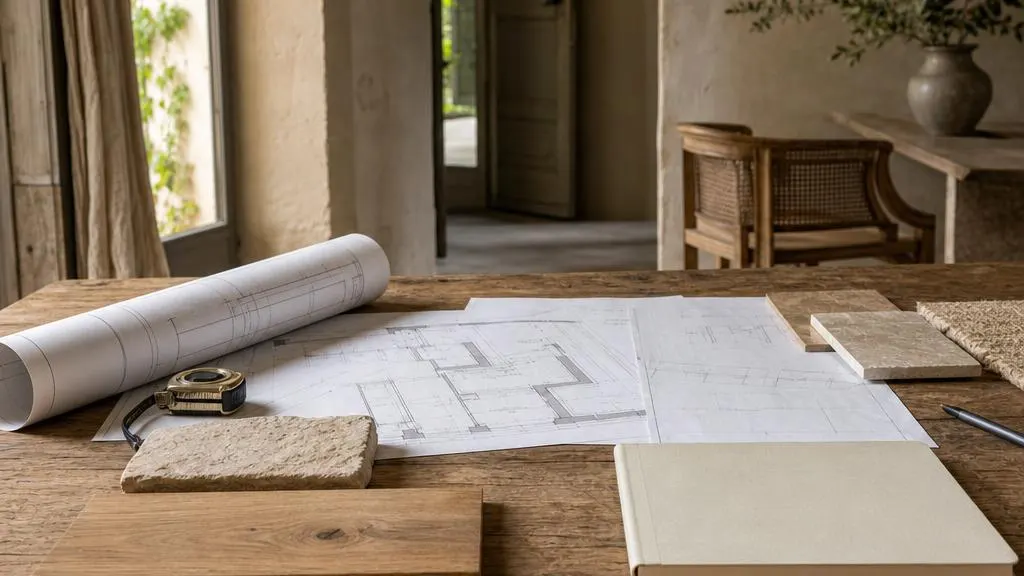
Before contacting builders, take some time to establish what you actually want to achieve.
A clearly defined project makes it easier to identify suitable professionals, obtain comparable quotations and avoid misunderstandings.
Consider whether your project involves:
- General property modernisation.
- Complete house renovation.
- Structural alterations.
- Roofing or waterproofing.
- Kitchen and bathroom installation.
- Electrical or plumbing improvements.
- Heating and insulation.
- Windows and shutters.
- Building extensions.
- Barn conversions.
- Swimming pool installation.
- Landscaping and outdoor improvements.
Some projects require a single specialist tradesperson. Others may involve several companies, an architect, a structural engineer or an independent professional responsible for coordinating the work.
Try to establish:
- Your principal objectives.
- Approximate budget.
- Preferred timescale.
- Essential requirements.
- Desired quality of materials and finishes.
- Whether you will be present during the work.
- Whether planning permissions may be required.
Collect photographs, existing plans and examples of the style you would like to achieve.
You do not need to have every detail established before speaking to a professional, but a clear initial brief can make the entire process more productive.
02Understand the different types of French building professionals
French construction terminology can be unfamiliar to overseas homeowners.
Understanding the different roles will help you identify the right professionals for your project.
| French term | English equivalent or usual role |
|---|---|
| Artisan | Skilled independent tradesperson |
| Maçon | Mason or general building contractor |
| Entreprise générale du bâtiment | General building company |
| Couvreur | Roofing specialist |
| Charpentier | Structural timber and roof framing specialist |
| Menuisier | Joiner or carpenter |
| Électricien | Electrician |
| Plombier | Plumber |
| Chauffagiste | Heating specialist |
| Plaquiste | Plasterboard and drywall specialist |
| Carreleur | Tiling specialist |
| Peintre en bâtiment | Painter and decorator |
| Terrassier | Groundworks and excavation specialist |
| Pisciniste | Swimming pool specialist |
| Architecte | Architect |
| Maître d'œuvre | Professional responsible for agreed design, coordination or construction management duties |
| Courtier en travaux | Building contractor intermediary |
The precise responsibilities of a professional depend on their qualifications, insurance and contractual agreement.
Do you need a general builder or individual tradespeople?
For a straightforward bathroom refurbishment, roofing repair or electrical upgrade, a specialist company may be sufficient.
For a substantial renovation involving several different trades, you may prefer to appoint:
- A general building contractor.
- An architect.
- A suitably qualified and insured maître d'œuvre.
- Separate specialist contractors under appropriate professional coordination.
A general contractor can simplify communication, but you should still understand who is performing the work, how subcontractors are managed and which company is contractually responsible.
An independent professional may provide valuable technical oversight on more complex projects.
03Where can you find English-speaking builders in France?
There are several useful ways to identify potential contractors.
Local recommendations
Personal recommendations from other property owners can provide a useful starting point.
Speak to people who have commissioned comparable work and ask about their overall experience.
Useful questions include:
- Was the company reliable?
- Did the work match the agreed quotation?
- Were unexpected costs explained?
- Was communication effective?
- Was the property left in good condition?
- Would they appoint the same company again?
A recommendation from someone who has recently completed a similar project is generally more useful than a recommendation based purely on friendship or reputation.
English-speaking business directories
Several directories list English-speaking professionals working in France.
These can be useful when language is a particular concern.
However, inclusion in a directory should not be interpreted as evidence that a company has been independently verified, appropriately insured or assessed for quality.
Local estate agents and property professionals
Estate agents working with international purchasers often have knowledge of local renovation companies and specialist tradespeople.
Property managers, architects and other local professionals may also be able to suggest suitable contacts.
Where a commercial referral relationship exists, it is reasonable to ask how the introduction is arranged and whether any referral fees apply.
Specialist trade directories
Official and professional directories can help identify appropriately registered or qualified businesses.
Useful starting points include:
- Annuaire des Entreprises — official French business information.
- France Rénov' — relevant energy renovation professionals.
- Ordre des Architectes — official register of architects.
- English Spoken Info — English-speaking businesses and tradespeople.
These directories serve different purposes. None should be regarded as a universal guarantee of quality or suitability for a particular project.
Local property concierge and introduction services
For homeowners living abroad, a local property concierge may provide practical assistance with identifying suitable professionals, arranging initial conversations and coordinating property access.
This can be particularly helpful when several trades are involved or communication in French is difficult.
At Languedoc Private Homes, we help international homeowners around Carcassonne explore suitable local professional introductions according to their requirements and contractor availability.
Any introduction should be transparent, and the homeowner should understand the respective responsibilities of the concierge and the contractor.
04Should you only use English-speaking builders?
Not necessarily.
Some excellent French artisans may speak little or no English, particularly smaller traditional businesses working in rural areas.
Restricting your search exclusively to fluent English speakers could unnecessarily limit your choice.
The important consideration is whether you can establish effective and reliable communication.
This might involve:
- An English-speaking company representative.
- A bilingual architect or project professional.
- A suitably knowledgeable interpreter.
- A trusted local contact who can assist with practical communication.
- Professionally translated quotations and agreements where appropriate.
For significant financial or contractual commitments, make sure important technical and legal information is properly understood.
The ability to speak English is a considerable advantage, but the quality of the work and suitability of the professional should remain central to your decision.
Planning a renovation in the Carcassonne region?
We understand the importance of communicating comfortably when planning work on your French property.
As an Anglo-French team based locally, Languedoc Private Homes can help facilitate practical communication and explore introductions to suitable independent professionals.
Tell us about your renovation plans.
05Check that your French builder is properly registered
Before appointing a contractor, establish its full legal business identity.
In France, businesses are identified by official registration numbers.
What is a SIREN number?
A SIREN is a nine-digit number identifying a French business or other registered legal entity.
What is a SIRET number?
A SIRET is a fourteen-digit number identifying a particular establishment belonging to a business.
It consists of the SIREN number followed by a five-digit establishment identifier.
A contractor's quotation or invoice should contain the relevant identifying information required for its business and activities.
You can search for the business through France's official business directory.
How to check a French builder's SIRET number
- Ask the contractor for its full legal business name and SIRET or SIREN number.
- Visit the official Annuaire des Entreprises website.
- Search using the number or business name.
- Confirm that the company or establishment is active.
- Check that the legal identity corresponds to the quotation.
- Review its registered address and available activity information.
- Investigate unexplained inconsistencies before proceeding.
An official registration record helps establish that a business exists.
It does not automatically prove that the company is financially sound, competent, appropriately insured or authorised for every type of work.
Depending on the size and complexity of your project, further checks may be appropriate.
Useful resource:
Annuaire des Entreprises — Official French business register
06Understand French builders' insurance
Insurance is one of the most important areas to investigate before commissioning building work in France.
Different types of insurance serve different purposes.
Responsabilité civile professionnelle
Professional liability insurance, commonly called RC professionnelle or RC Pro, may cover certain damage or losses arising from a company's professional activities, subject to the insurance contract.
Ask the contractor to explain its coverage and provide relevant documentation.
Assurance décennale
For construction work falling within France's statutory ten-year construction liability regime, the building professional must have appropriate insurance.
This is commonly referred to as assurance décennale.
It relates to certain serious construction defects that can affect the structural integrity of a building or make it unsuitable for its intended use.
The statutory ten-year period generally starts from formal acceptance of the completed work, known as réception des travaux.
It does not provide a comprehensive guarantee covering every possible defect or maintenance problem.
How to check a French builder's décennale insurance
Ask for a current insurance certificate, known as an attestation d'assurance décennale.
Check:
- The insured company's legal name.
- The insurance provider.
- The policy reference.
- The relevant dates of cover.
- The activities covered by the policy.
- Any relevant geographic or technical restrictions.
- Whether the specific work you are commissioning falls within the insured activities.
The company named on the certificate should correspond to the company undertaking the contractual responsibilities.
A certificate for one trade does not necessarily cover other construction activities.
For example, roofing, structural masonry, waterproofing and specialist swimming pool construction may involve different insured activities or limitations.
If anything is unclear, seek confirmation from the insurer or an appropriate independent professional before work begins.
A statement on a website saying that a builder is fully insured is not a substitute for reviewing the relevant insurance documentation.
What is assurance dommages-ouvrage?
Dommages-ouvrage insurance, often abbreviated to DO, is a separate insurance arrangement intended to facilitate compensation for damage covered by the statutory ten-year construction regime without initially having to determine responsibility.
For work subject to the relevant statutory obligations, the project owner is generally required to arrange this insurance before construction begins, subject to applicable exceptions.
The requirements should be investigated when planning substantial construction or renovation work.
Speak to an appropriate insurance professional about whether it applies to your particular project.
Useful resources:
07Check qualifications and relevant experience
Not every renovation company is equally suitable for every type of property.
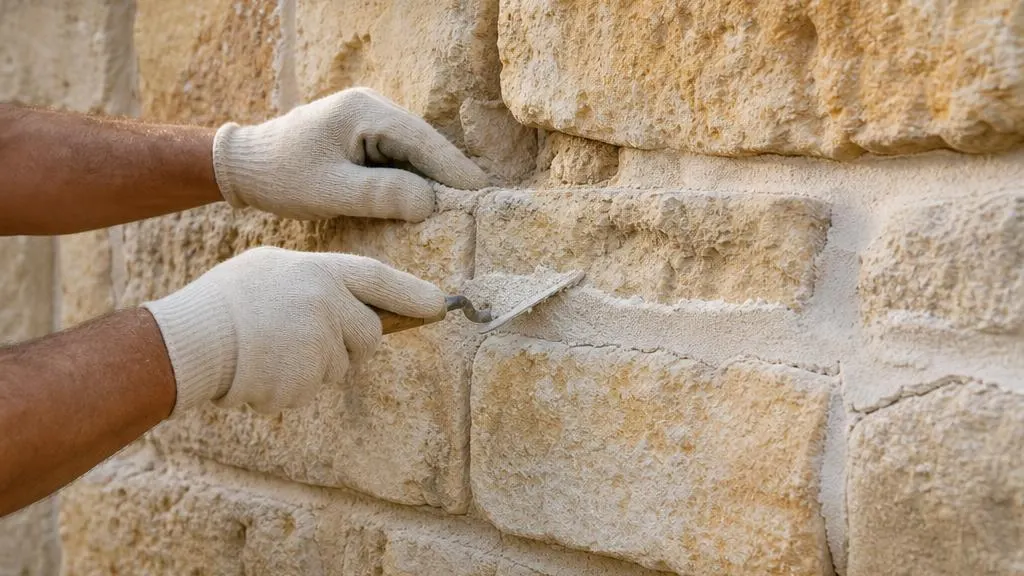
Someone experienced in modern residential construction may not necessarily have the specialist knowledge required to restore a centuries-old stone farmhouse.
Similarly, a company that excels at bathroom installations may not be appropriate for significant structural work.
Ask prospective contractors about:
- Experience with comparable properties.
- Previous projects involving similar materials.
- Relevant professional qualifications.
- Specialist training where applicable.
- Availability of genuine references.
- Experience working with international homeowners.
- Experience with the particular type of work you are commissioning.
Where applicable, confirm professional qualifications and relevant registrations.
What does RGE mean?
RGE stands for Reconnu Garant de l'Environnement.
It is a French qualification relating to specified energy efficiency and renewable energy activities.
Using an appropriately qualified RGE professional can be necessary to access certain energy renovation financial assistance schemes.
However, having RGE status does not mean that a company has every possible construction qualification or that every project is automatically covered.
Check that its qualification corresponds to the specific work and relevant dates.
Overseas second-home owners should also confirm whether they are eligible for any proposed financial assistance, rather than assuming that schemes available to principal residences will apply to them.
Useful resource:
08Ask to see examples of previous projects
A contractor's previous work can provide valuable insight into its experience and approach.
Ask whether the company can provide:
- Photographs of comparable completed projects.
- Examples of renovations involving similar properties.
- References from previous customers who have agreed to be contacted.
- Information about how particular technical or practical challenges were addressed.
- Details of experience working with your preferred materials and finish.
For larger projects, it may be appropriate to arrange a visit to a previously completed or current project, with the relevant owner's permission.
Online reviews can also be useful, but consider them alongside other information.
Look for detailed reviews describing actual work, communication and the overall customer experience.
A large collection of five-star reviews is not, by itself, evidence that a contractor is appropriately insured or suitable for your project.
09Understand French building quotations
A French building quotation is called a devis.
It is an important document and should not be treated as an informal indication of how much the work might cost.
When accepted, a quotation can become a binding contractual agreement.
For many categories of building, repair and maintenance services, specific pre-contractual information and quotation requirements apply.
What should a French building quotation contain?
Check that the quotation sets out, as appropriate:
- The contractor's legal business details.
- The customer's details.
- The property or project location.
- The date of the quotation.
- A description of the proposed work.
- Relevant measurements and quantities.
- Specifications of materials and equipment.
- Labour and material charges.
- The applicable VAT treatment.
- Total price.
- Payment conditions.
- Proposed timescales.
- The quotation's validity period.
- Applicable insurance information.
- Any relevant exclusions.
The level of detail required will depend on the type of work and applicable rules.
Useful French quotation terminology
| French term | English meaning |
|---|---|
| Devis | Quotation |
| Facture | Invoice |
| Main-d'œuvre | Labour |
| Fournitures | Materials or supplies |
| Prix hors taxes / HT | Price excluding tax |
| Prix toutes taxes comprises / TTC | Price including tax |
| TVA | VAT |
| Acompte | Contractually binding advance payment |
| Arrhes | Deposit with different cancellation consequences |
| Solde | Outstanding balance |
| Délai d'exécution | Completion or execution timescale |
| Avenant | Contract amendment or agreed variation |
| Bon pour accord | Acceptance of the quotation |
| Réception des travaux | Formal acceptance of completed work |
| Réserves | Defects or outstanding matters recorded at acceptance |
The legal and financial consequences of some of these terms differ from one another.
In particular, an acompte and arrhes should not automatically be regarded as interchangeable.
Make sure you understand the conditions attached to any advance payment.
Is signing a devis legally binding?
Generally, accepting a quotation creates a contractual commitment, subject to applicable cancellation rights and other legal provisions.
Do not sign a quotation simply to indicate that you are interested.
If you are unsure about the terms, ask for clarification or obtain appropriate professional advice before signing.
Depending on how and where the contract is concluded, consumer withdrawal rights may apply. A commonly applicable period is 14 days for qualifying distance or off-premises contracts, although important exceptions exist.
Do not assume that every building contract can be cancelled within fourteen days.
Useful resources:
10Compare quotations properly
It can be tempting to simply compare the final prices on three quotations.
However, different contractors may quote for significantly different specifications.
A cheaper quotation may exclude items that are included in a more expensive one.
Consider the following fictional example.
| Work or service | Builder A | Builder B | Builder C |
|---|---|---|---|
| Preliminary and structural work | €19,000 | €18,000 | €20,000 |
| Materials and finishes | €14,000 | €16,000 | €18,000 |
| Plumbing and electrical work | €9,000 | €10,000 | €10,000 |
| Waste removal | Excluded | €2,000 | Included |
| Scaffolding | Excluded | €3,000 | Included |
| VAT | Excluded | Included | Included |
| **Quoted total** | €42,000 | €49,000 | €48,000 |
These are fictional comparison examples, not current construction market prices.
Builder A initially appears considerably cheaper.
However, VAT, waste removal and scaffolding still need to be accounted for.
The actual cost could be considerably closer to, or higher than, the other quotations.
When comparing builders, consider:
- The total price including applicable taxes.
- Excluded work.
- Material quality.
- Insurance.
- Relevant experience.
- Project timescales.
- Communication arrangements.
- Payment conditions.
- Responsibility for subcontractors.
- How unexpected work will be authorised.
You may find it useful to provide each contractor with the same written project brief so that the quotations can be compared more consistently.
Use our free quotation comparison tool below to organise your estimates.
Budgeting the work: How Much Does It Cost to Renovate a House in Southern France?
11Check planning requirements before beginning work
Not all renovations in France can be undertaken without prior authorisation.
Depending on the property, location and scope of work, you may need to submit a planning application or prior declaration.
Déclaration préalable de travaux
A déclaration préalable, commonly abbreviated to DP, is a planning procedure applicable to certain alterations and construction projects that do not require a full building permit.
Examples may include certain:
- External modifications.
- Window and door alterations.
- Extensions.
- Swimming pools.
- Changes to external appearance.
The requirements depend on the individual circumstances.
Permis de construire
A permis de construire is a building permit required for particular types of construction and more substantial alterations.
Some extensions, new buildings and changes involving structural or legal use considerations may require this permission.
When do you need an architect?
An architect may be legally required for certain projects requiring a building permit.
For private individuals, the commonly referenced threshold of 150 square metres of floor area is relevant in particular circumstances, including some extension projects.
However, the calculation and applicable rules depend on the type of project, existing floor area, ownership structure and planning requirements.
Do not assume that a project below 150 square metres automatically avoids all architect or planning requirements.
Historic properties and protected areas
This is particularly important in the Carcassonne region.
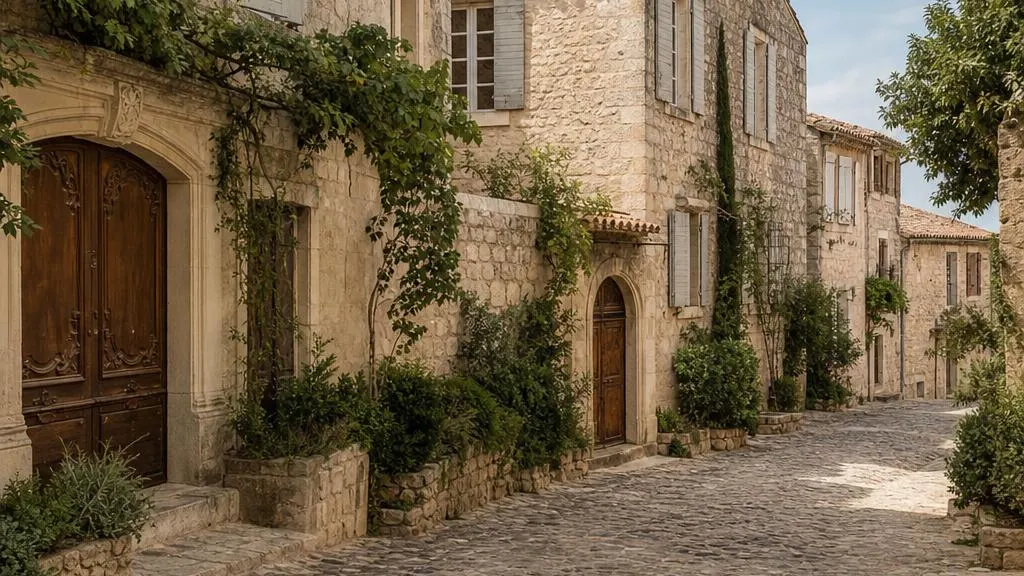
Properties in historic towns and villages, near protected monuments or within designated heritage areas may be subject to additional requirements.
These can affect:
- Window styles.
- Shutter colours.
- Roofing materials.
- External stonework.
- Render and façades.
- Extensions.
- Certain internal alterations.
The Ville de Carcassonne specifically highlights additional authorisation requirements for works, including internal renovations, within the protected Bastide area.
Before finalising plans for a historic property, consult the relevant planning department.
In certain circumstances, the Architecte des Bâtiments de France, commonly referred to as the ABF, may be involved.
Useful resources:
12Choose builders who understand traditional French properties
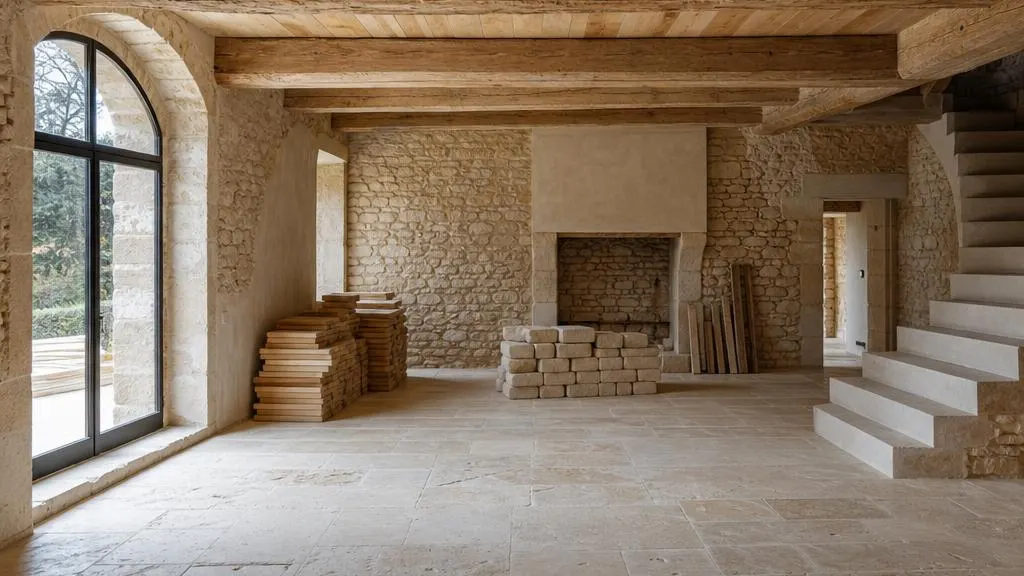
Southern France has an extraordinary variety of traditional buildings.
From limestone farmhouses and former wine estates to village houses and elegant maisons de maître, these properties often have characteristics that require a different approach from modern construction.
Depending on the property, relevant considerations may include:
- Traditional stone walls.
- Lime-based mortars and renders.
- Moisture management.
- Original timber beams.
- Older roof structures.
- Traditional terracotta roof tiles.
- Historic floors.
- Existing drainage.
- Older electrical systems.
- Previous alterations and repairs.
Materials suitable for modern construction are not necessarily appropriate for every traditional building.
For example, incompatible finishes can contribute to moisture problems in some older stone walls.
Before undertaking substantial restoration, consider obtaining advice from a professional experienced in traditional buildings.
Experience with comparable local architecture can be particularly valuable.
13Agree a sensible payment schedule
Most substantial renovation projects involve staged payments.
Contractors may require advance payments to secure materials or reserve time for a project.
This is not inherently unusual, but the contractual arrangements should be appropriate to the work and clearly understood.
Before transferring money:
- Confirm the contractor's legal identity.
- Confirm the agreed quotation and contractual conditions.
- Review the payment schedule.
- Understand what the advance payment covers.
- Confirm which project milestones trigger subsequent payments.
- Check relevant consumer protection rules.
- Verify bank details through a trusted independent communication channel.
Do not make substantial payments merely because an email requests a transfer to a new bank account.
Invoice fraud and impersonation are genuine risks.
If payment details change unexpectedly, contact the contractor using a previously verified telephone number.
An illustrative renovation payment schedule
For a hypothetical €50,000 project, an agreed payment arrangement might look like this.
| Stage | Percentage | Amount |
|---|---|---|
| Initial contractual advance | 20% | €10,000 |
| Agreed preliminary works completed | 25% | €12,500 |
| Agreed main construction milestone | 30% | €15,000 |
| Agreed finishing milestone | 20% | €10,000 |
| Final contractual payment | 5% | €2,500 |
| **Total** | 100% | €50,000 |
This is an illustrative example, not a recommended universal financing arrangement or legal template.
Different construction contracts can have specific payment rules.
In particular, certain residential construction contracts are subject to regulated payment schedules and protections.
Do not assume that you are automatically entitled to retain part of the agreed payment unless the contract or applicable law provides for it.
For substantial projects, obtain appropriate professional advice before agreeing payment conditions.
14Manage your French renovation from abroad
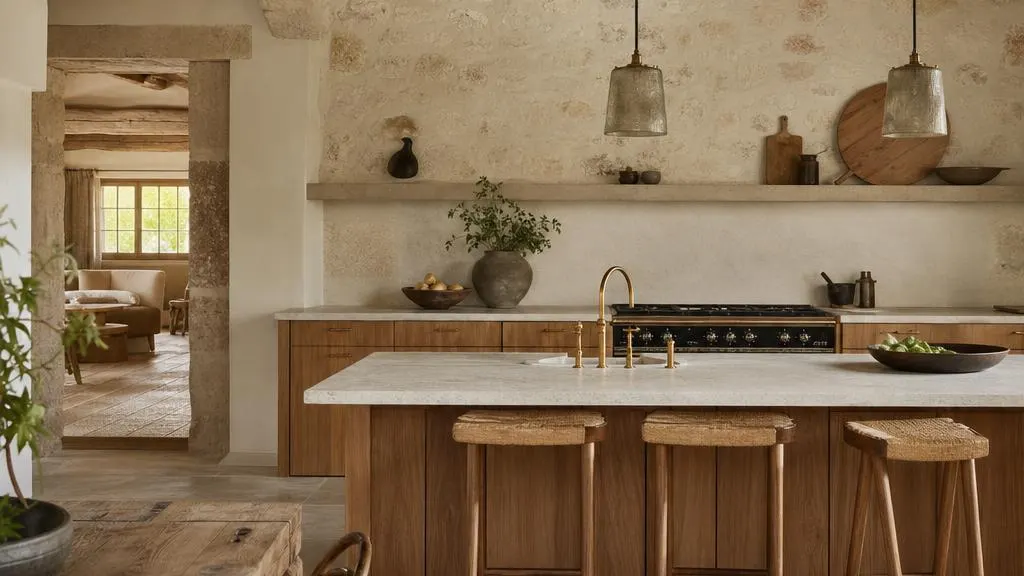
Renovating a property when you live in another country presents particular practical challenges.
You may not be available to answer questions immediately, observe progress or meet individual tradespeople.
Establish a clear communication arrangement before work begins.
Agree how updates will be provided
Depending on the project, useful arrangements might include:
- Scheduled written progress updates.
- Photographs.
- Video calls.
- An agreed contact person.
- Notification of delays.
- Written updates concerning unexpected work.
- Approval procedures for additional expenditure.
- Regular reporting from an appointed construction professional.
Control changes and additional costs
Renovation work can reveal unexpected problems, particularly in older buildings.
These might include damaged timber, concealed plumbing defects, moisture problems or outdated electrical installations.
Agree how such discoveries will be communicated.
Where additional work or expenditure is required, obtain a clear written explanation and an appropriate contractual amendment before approving it, except where genuinely urgent safety measures are necessary.
Appoint the right people locally
For substantial construction or complicated renovations, an appropriate architect, engineer or construction management professional may be needed to oversee technical matters.
A property concierge can provide complementary practical assistance, such as:
- Arranging access.
- Facilitating communication.
- Helping organise appointments.
- Obtaining information.
- Providing agreed general photographic updates.
These services do not replace technical construction supervision, specialist inspections or the duties of appointed construction professionals.
At Languedoc Private Homes, we help you explain your project in English and identify the questions to ask an independent professional.
For broader guidance, read our article:
How to Manage Your French Second Home from Abroad: The Complete Guide.
15Recognise potential warning signs
Most homeowners hope to establish a positive and mutually respectful relationship with their builders.
Nevertheless, it is sensible to be cautious when important information is missing or inconsistent.
Potential warning signs include:
- Reluctance to provide business registration details.
- Failure to supply applicable insurance documentation.
- A quotation issued under a different business identity without explanation.
- Pressure to make an immediate substantial payment.
- Extremely vague descriptions of work.
- Unexplained discrepancies between quotations.
- Promises to avoid legally required planning permissions.
- Requests to undertake undeclared work.
- Insistence that important arrangements remain entirely verbal.
- Unexpected changes to payment details.
- Refusal to explain responsibility for subcontractors.
- Pressure to proceed with major additional work without written agreement.
An individual warning sign does not necessarily prove that a contractor is dishonest. For example, a small artisan may have limited availability or an unsophisticated quotation system.
However, unresolved questions about registration, insurance, safety, contractual obligations or significant payments should be addressed before proceeding.
Budgeting for property care: How Much Does Second-Home Property Management Cost in France?
16Understand what happens when building work is completed
In France, formal acceptance of construction work is known as réception des travaux.
It is an important contractual and legal stage.
For applicable construction work, the date of acceptance starts several statutory guarantee periods.
The homeowner accepts the work, with or without recorded reservations.
If defects or outstanding matters are identified, they may need to be formally recorded as réserves.
For substantial projects, arranging appropriate professional assistance at acceptance may be particularly valuable.
French construction guarantees
| Guarantee | Standard duration for applicable work | General purpose |
|---|---|---|
| Garantie de parfait achèvement | One year | Certain defects reported at acceptance or during the following year |
| Garantie de bon fonctionnement | Two years | Certain separately removable equipment and components |
| Garantie décennale | Ten years | Specified serious defects affecting construction stability or intended use |
The precise application of these guarantees depends on the nature of the work, the defect, contractual arrangements and applicable law.
They do not cover every problem or ordinary wear and tear.
Keep all important project documents
Following completion, retain:
- Signed quotations and contracts.
- Agreed amendments.
- Invoices.
- Insurance documents.
- Planning permissions.
- Acceptance documentation.
- Recorded reservations.
- Equipment manuals.
- Relevant maintenance instructions.
- Photographic records.
These documents may prove useful if you subsequently sell your property or encounter a problem relating to the work.
Useful resource:
Service Public — Guarantees following formal acceptance of construction work
What if something goes wrong?
Raise concerns with the relevant contractor in writing and retain supporting documentation.
Depending on the nature of the problem, you may need to consult your insurer, an independent construction professional, a consumer mediator or a qualified legal adviser.
France's SignalConso service also enables consumers to report certain problems involving businesses.
It is not a substitute for professional legal advice or an independent technical assessment.
Useful resource:
17Finding English-speaking builders around Carcassonne and the Aude
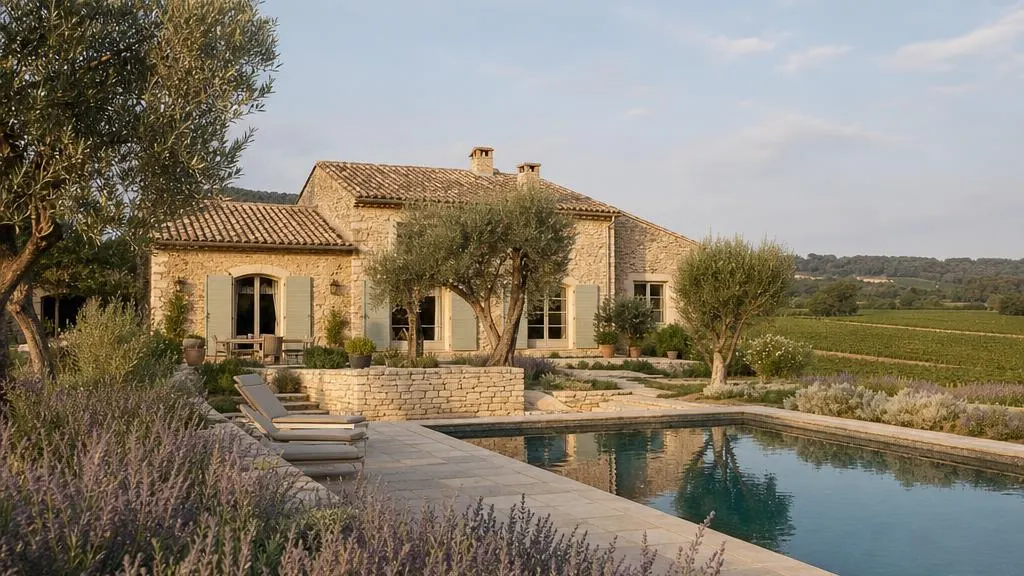
Carcassonne and its surrounding countryside attract international homeowners seeking a combination of historic architecture, beautiful landscapes and the southern French lifestyle.
The region offers a considerable variety of property types, including:
- Traditional village houses.
- Winegrowers' houses.
- Stone farmhouses.
- Maisons de maître.
- Converted barns.
- Villas.
- Country estates.
Renovation requirements naturally vary according to the building and its location.
Properties in the historic centre of Carcassonne may face different planning considerations from rural homes in the Minervois, Cabardès or Limoux countryside.
Talk to Languedoc Private Homes about introductions to independent professionals for projects such as:
- Full house renovations.
- Kitchens and bathrooms.
- Roofing.
- Swimming pools.
- Landscaping.
- Extensions.
- Traditional property restoration.
- General property improvements.
Our geographic focus is Carcassonne and the surrounding Languedoc countryside.
Introductions elsewhere may be possible depending on the project, location and availability of appropriate professionals.
Rather than approaching numerous unrelated companies yourself, you can begin by telling us about your property and what you would like to achieve.
Let's discuss your renovation.
Three working documents
A checklist before you commit, a worksheet for the quotations, and the vocabulary for the site meeting. Nothing you enter is sent anywhere.
Interactive resource · I
Is your French builder renovation-ready?
Use our free contractor verification checklist before committing to building work in France.
Your French builder verification checklist
Use this checklist before appointing a builder or renovation company. Tick items as you confirm them. No contractor details are requested, and nothing you tick is sent anywhere.
Business identity
Insurance and qualifications
Experience and suitability
Quotations and payments
Planning and project management
Completing these checks does not guarantee the quality or success of a renovation, but it can help you make a more informed decision.
Completing this checklist does not establish that a contractor is qualified, compliant, insured or suitable for your project. Confirm relevant information independently and obtain professional advice where appropriate.
Interactive resource · II
Compare Your French Builders' Quotes
Compare quotations on a more consistent basis before making your decision.
Enter up to three quotations, or load the fictional examples from this guide. Every figure is converted to a tax-inclusive amount only when you confirm how VAT applies; anything unknown stays unknown and is never counted as zero.
Amounts are typed as plain numbers, such as 48000 or 1250.50. Nothing is saved, and the page forgets everything when you leave.
This tool is a budgeting and comparison aid only. It is not a legal, tax or professional contractor assessment, and it does not rank or recommend any builder. VAT treatment can vary between projects and between components of the same project; confirm rates and figures with the contractor and a qualified adviser. Nothing you enter is saved or sent anywhere.
Reference · III
French building terms, in plain English
Bookmark this list for quotations, contracts and site meetings. Search works in French or English, with or without accents.
| French term | Meaning | Topic |
|---|---|---|
| Artisan | Skilled independent tradesperson | Building professionals |
| Maçon | Mason or general building contractor | Building professionals |
| Entreprise générale du bâtiment | General building company | Building professionals |
| Couvreur | Roofing specialist | Building professionals |
| Charpentier | Structural timber and roof framing specialist | Building professionals |
| Menuisier | Joiner or carpenter | Building professionals |
| Électricien | Electrician | Building professionals |
| Plombier | Plumber | Building professionals |
| Chauffagiste | Heating specialist | Building professionals |
| Plaquiste | Plasterboard and drywall specialist | Building professionals |
| Carreleur | Tiling specialist | Building professionals |
| Peintre en bâtiment | Painter and decorator | Building professionals |
| Terrassier | Groundworks and excavation specialist | Building professionals |
| Pisciniste | Swimming pool specialist | Building professionals |
| Architecte | Architect | Building professionals |
| Maître d'œuvre | Professional responsible for agreed design, coordination or construction management duties | Building professionals |
| Courtier en travaux | Building contractor intermediary | Building professionals |
| Devis | Quotation | Quotations and contracts |
| Facture | Invoice | Quotations and contracts |
| Main-d'œuvre | Labour | Quotations and contracts |
| Fournitures | Materials or supplies | Quotations and contracts |
| Prix hors taxes / HT | Price excluding tax | Quotations and contracts |
| Prix toutes taxes comprises / TTC | Price including tax | Quotations and contracts |
| TVA | VAT | Quotations and contracts |
| Acompte | Contractually binding advance payment | Quotations and contracts |
| Arrhes | Deposit with different cancellation consequences | Quotations and contracts |
| Solde | Outstanding balance | Quotations and contracts |
| Délai d'exécution | Completion or execution timescale | Quotations and contracts |
| Avenant | Contract amendment or agreed variation | Quotations and contracts |
| Bon pour accord | Acceptance of the quotation | Quotations and contracts |
| Réception des travaux | Formal acceptance of completed work | Quotations and contracts |
| Réserves | Defects or outstanding matters recorded at acceptance | Quotations and contracts |
Frequently asked questions
Are there English-speaking builders in France?
Yes. English-speaking building companies and independent tradespeople operate throughout France, including areas with substantial international property ownership. Availability varies considerably by location and trade.
How can I find an English-speaking builder near Carcassonne?
Local recommendations, English-speaking business directories, estate agents and property professionals can provide useful starting points. Languedoc Private Homes can help explore suitable introductions around Carcassonne and the surrounding region, subject to project requirements and availability.
How do I check whether a French builder is legitimate?
Obtain the legal business name and SIREN or SIRET number, verify the business through France's official register and check relevant insurance, qualifications and experience. Registration alone does not establish the company's suitability.
Do all French builders need décennale insurance?
Building professionals undertaking work within the statutory ten-year construction liability regime must have appropriate insurance. Not every minor repair or property maintenance service falls within that regime. Check the requirements applicable to the proposed work.
Can I use a British builder to renovate my French property?
Potentially, provided the company and individuals comply with relevant French business, immigration, employment, tax, insurance and professional requirements. Do not assume that a UK registration or insurance policy automatically authorises construction activity in France.
Is a signed devis legally binding in France?
Generally, accepting a quotation creates a contractual commitment, subject to applicable consumer withdrawal rights and other provisions. Ensure you fully understand the proposed work and terms before signing.
How much deposit should I pay a French builder?
There is no single appropriate deposit percentage for every renovation. The amount depends on the type of contract, materials, project and applicable legal protections. Understand the payment terms and verify the contractor before transferring substantial sums.
Do I need planning permission to renovate a house in France?
Some renovations do not require planning permission, while others require a déclaration préalable or permis de construire. Properties in protected heritage areas may have additional restrictions. Check with the relevant local planning department before starting.
Do I need an architect to renovate my French house?
An architect may be legally required for certain projects. Even where appointment is not compulsory, an architect or another suitably qualified professional may provide valuable assistance with complex renovations.
Can I renovate my French house while living in the UK?
Yes. However, clear contractual arrangements, reliable communication, appropriate technical oversight and practical local assistance become particularly important when you cannot attend the property regularly.
Can a local concierge help me find builders?
A property concierge can help identify potential professionals, facilitate introductions and assist with practical communication and access arrangements. Technical construction responsibilities should remain with the appropriately qualified and appointed professionals.
Can Languedoc Private Homes carry out my renovation?
Languedoc Private Homes is a property care, concierge and introduction service, rather than a construction company. We can help explore suitable independent contractor introductions and agreed practical assistance. Homeowners contract directly with their chosen professionals.
This guide provides general information and does not constitute legal, insurance, architectural, engineering or construction advice. Requirements vary according to the property, nature of the work, contractual arrangements and applicable regulations. Consult appropriately qualified professionals where necessary.
Research reviewed: November 2026.
Further reading and references
- Annuaire des Entreprises (opens in a new tab)
- France Rénov' (opens in a new tab)
- Ordre des Architectes (opens in a new tab)
- English Spoken Info (opens in a new tab)
- Service Public — Ten-year construction guarantees (opens in a new tab)
- Service Public — Dommages-ouvrage insurance (opens in a new tab)
- Entreprendre Service Public — Building contractor requirements (opens in a new tab)
- Service Public — Signing a building quotation or contract (opens in a new tab)
- DGCCRF — Understanding quotations (opens in a new tab)
- Service Public — Consumer withdrawal periods (opens in a new tab)
- Service Public — Planning authorisations (opens in a new tab)
- Service Public — When an architect is required (opens in a new tab)
- Ville de Carcassonne — Planning authorisations (opens in a new tab)
- Ville de Carcassonne — Renovating private properties (opens in a new tab)
- Service Public — Guarantees following formal acceptance of construction work (opens in a new tab)
- SignalConso — French consumer reporting service (opens in a new tab)
About this guide
This guide provides general information for homeowners in France. The right approach depends on your property and circumstances. Any costs shown are illustrative. Before commissioning work or making a decision about safety, insurance or legal requirements, check the details with a suitably qualified professional or the relevant authority.

From the founders
Bringing your French property to life
A successful renovation begins with finding the right people.
People who understand your property, appreciate your vision, communicate clearly and have the appropriate skills to undertake the work.
At Languedoc Private Homes, we know how important it is for international homeowners to feel comfortable with the people working on their French properties.
We're Ben and Julia, an Anglo-French couple who have lived in the Carcassonne region for the past 13 years.
Whether you're considering a modest property improvement or an ambitious renovation, we'd be delighted to discuss your plans and explore how we may be able to help.
From traditional farmhouse renovations and elegant kitchens to swimming pools, gardens and roofing projects, our aim is to help make the process more approachable.
Introductions and practical assistance are subject to agreed scope, availability and geographic coverage. We may receive disclosed commercial referral fees from independent professionals.
Your home in France. In exceptional hands.
Tell us about your renovation project.
Bring your French property to life.
From a traditional farmhouse renovation to a new swimming pool, kitchen or garden, we'd love to hear about your plans.
We are not a building company. Introductions to independent local professionals are offered subject to availability, and each professional is responsible for their own work, registration and insurance.
Carcassonne · Aude · Minervois · Languedoc · Southern France