
Renovations & Improvements
How Much Does It Cost to Renovate a House in Southern France?
A practical renovation planning guide
2026 renovation costs, realistic property budgets and a free interactive French renovation cost calculator.
In this guide23 sections
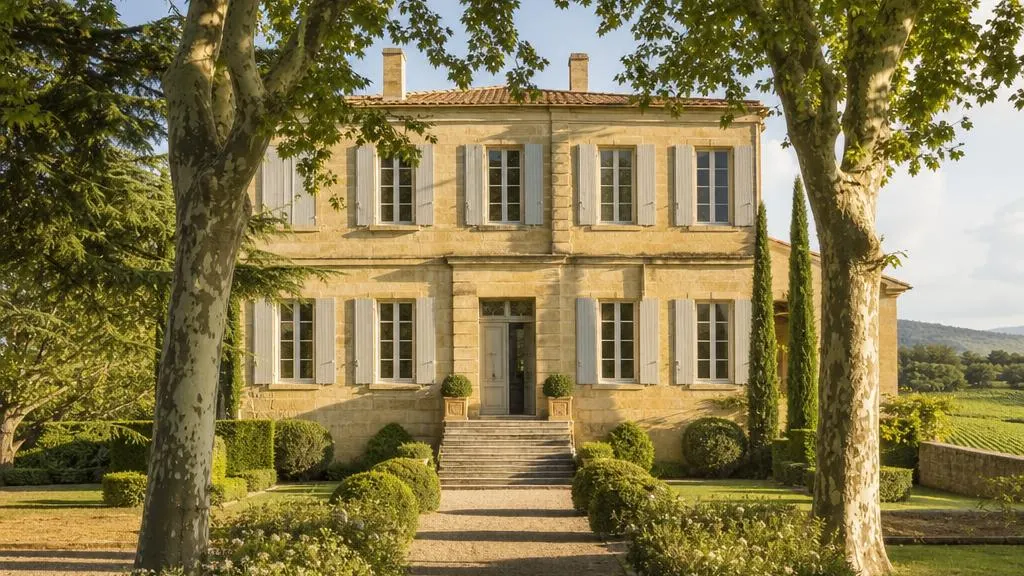
Imagine discovering a beautiful old stone farmhouse surrounded by vineyards, a traditional village house with wonderful original features or an elegant maison de maître with enormous potential.
The asking price is attractive. The location is perfect. You can already imagine enjoying summer evenings on the terrace.
There is just one question.
How much will it actually cost to renovate?
Southern France offers some wonderful opportunities for international property buyers, particularly those willing to restore or improve an existing home.
However, renovation costs can vary enormously depending on the property's condition, age, location, architectural characteristics and the quality of finish you want to achieve.
We're Ben and Julia, an Anglo-French couple who have lived in the Carcassonne region for the past 13 years.
At Languedoc Private Homes, we help international homeowners clarify their renovation brief and discuss introductions to independent professionals.
In this guide, we explore realistic renovation budgeting, individual building costs, French VAT rules, potential hidden expenses and the particular considerations associated with renovating property in the Languedoc.
We've also included a free interactive renovation cost calculator to help you explore different project budgets.
The short answer
How much does it cost to renovate a house in France in 2026?
As an initial planning estimate, renovating a house in France can cost approximately €250–€600 per square metre for cosmetic improvements, €600–€1,000 per square metre for a partial renovation, €1,000–€1,800 per square metre for a complete renovation, and €1,500–€3,000 or more per square metre for substantial structural work.
High-end restoration projects involving historic properties, specialist craftsmanship and luxury finishes can exceed €4,000 per square metre.
These figures are indicative editorial budgeting ranges informed by published French renovation pricing guides. They are not binding quotations or independently measured local averages.
Actual costs depend on the individual property and project.
01French house renovation costs per square metre
One of the simplest ways to establish an initial renovation budget is to multiply the approximate floor area being renovated by an indicative cost per square metre.
However, it is important to understand what different renovation categories actually include.
| Renovation category | Indicative cost per m² |
|---|---|
| Cosmetic refurbishment | €250–€600 |
| Partial renovation | €600–€1,000 |
| Complete renovation | €1,000–€1,800 |
| Heavy structural renovation | €1,500–€3,000 |
| High-end heritage restoration | €2,500–€4,000+ |
These are planning allowances for professionally undertaken work, including labour, materials and estimated applicable VAT.
They exclude separately appointed professional services, an additional contingency reserve and external improvements that are outside the main renovation scope.
The categories overlap because the actual work undertaken matters more than the label applied to the project.
Cosmetic refurbishment
Typical work may include:
- Redecoration.
- Refurbishing existing floors.
- Replacing selected floor coverings.
- Minor repairs.
- Repainting shutters.
- Replacing some fixtures and fittings.
- Improving selected interior finishes.
This is most suitable for a property that is already structurally sound, weatherproof and reasonably functional.
Partial renovation
Typical work may include:
- Renovating a kitchen or bathroom.
- Updating selected electrical installations.
- Plumbing improvements.
- Replacing some windows.
- Improving insulation in selected areas.
- Minor internal alterations.
- Redecoration and flooring.
The main structure and some existing installations would normally remain in use.
Complete renovation
Typical work may include:
- Extensive interior refurbishment.
- A new kitchen.
- Bathroom replacement.
- Substantial electrical and plumbing upgrades.
- Heating improvements.
- Insulation.
- Flooring and decoration.
- Replacement of selected windows or doors.
- Internal reconfiguration where appropriate.
A complete renovation does not necessarily include rebuilding the roof structure, extensive structural repairs or substantial extensions.
Heavy structural renovation
This may involve:
- Major roof and timber repairs.
- Structural alterations.
- Reinforcing or replacing floors.
- Significant masonry repairs.
- Extensive damp remediation.
- Replacement of essential building systems.
- Substantial internal reconstruction.
- Specialist construction work.
Costs can rise considerably when structural defects are discovered or access is difficult.
High-end heritage restoration
Historic or architecturally significant properties may require specialist skills and materials.
Examples include:
- Traditional stonework.
- Lime-based mortars and renders.
- Restoration of original timber features.
- Bespoke windows and shutters.
- Specialist roofing.
- Conservation-sensitive materials.
- Custom joinery.
- Premium kitchens and bathrooms.
- Architectural or heritage-sensitive design.
The budget can vary substantially, and certain ambitious estate or château restoration projects may exceed the upper end of our indicative range.
Broad editorial budgeting ranges reviewed 18 November 2026, not measured local averages or statistical confidence intervals. Heritage restoration can exceed the upper figure. Bars start at zero.
02How much does it cost to renovate a 100 m² house in France?
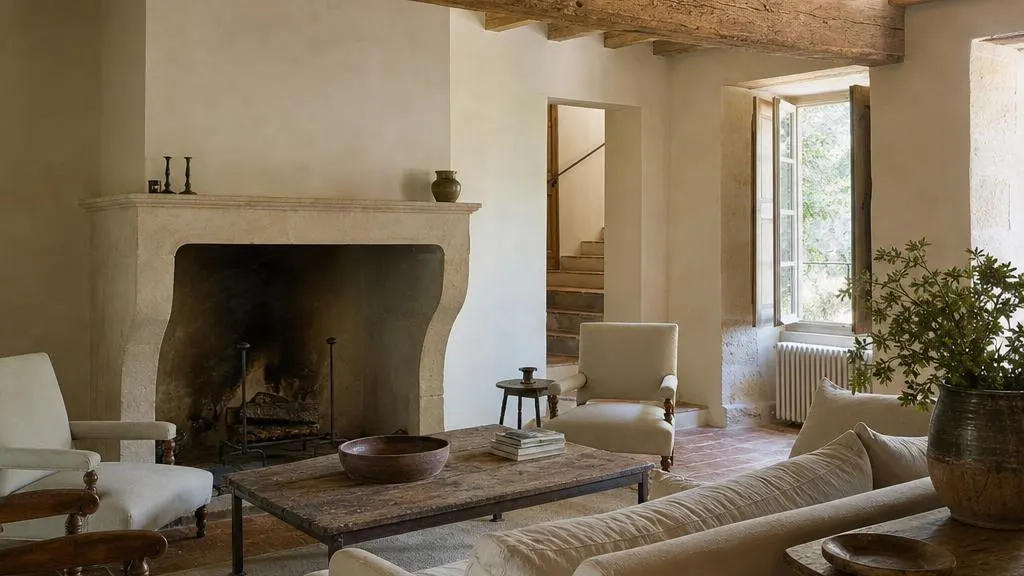
A 100-square-metre property provides a useful basis for comparing renovation budgets.
| Renovation category | Indicative works budget |
|---|---|
| Cosmetic refurbishment | €25,000–€60,000 |
| Partial renovation | €60,000–€100,000 |
| Complete renovation | €100,000–€180,000 |
| Heavy structural renovation | €150,000–€300,000 |
| High-end heritage restoration | €250,000–€400,000+ |
These figures exclude additional professional fees, contingency and separately budgeted outdoor improvements.
A property requiring relatively straightforward modernisation could cost considerably less to renovate than a similarly sized property suffering from major roofing, structural or moisture problems.
Two houses with identical floor areas may therefore require completely different budgets.
03Renovation costs by property size
The following table illustrates how the overall works budget changes according to the approximate floor area.
| Floor area | Cosmetic | Partial | Complete | Heavy structural |
|---|---|---|---|---|
| 60 m² | €15k–36k | €36k–60k | €60k–108k | €90k–180k |
| 80 m² | €20k–48k | €48k–80k | €80k–144k | €120k–240k |
| 100 m² | €25k–60k | €60k–100k | €100k–180k | €150k–300k |
| 120 m² | €30k–72k | €72k–120k | €120k–216k | €180k–360k |
| 150 m² | €37.5k–90k | €90k–150k | €150k–270k | €225k–450k |
| 200 m² | €50k–120k | €120k–200k | €200k–360k | €300k–600k |
| 250 m² | €62.5k–150k | €150k–250k | €250k–450k | €375k–750k |
These calculations apply the indicative ranges above. They are not quotations.
In practice, renovation costs do not always increase proportionally with floor area.
A small village house requiring a new kitchen, bathroom, heating system and roof can have a surprisingly high cost per square metre.
Conversely, a larger property requiring relatively straightforward improvements may benefit from economies of scale.
04Is renovating a house in southern France cheaper than elsewhere?
Renovation costs can differ considerably across France.
Areas with particularly high property prices, labour demand or logistical costs may also experience higher construction prices.
However, a rural location does not automatically mean that renovation will be inexpensive.
Published sources provide useful initial comparisons.
National French renovation benchmarks
Hemea publishes approximate ranges of:
- €200–€500/m² for cosmetic refurbishment.
- €500–€900/m² for partial renovation.
- €900–€1,200/m² for complete renovation.
- €1,200–€2,000/m² for heavy renovation.
La Maison Saint-Gobain's renovation guidance, updated in November 2026, provides a broader national range of approximately €1,000–€3,000/m² for complete renovation, depending on the work involved.
Renovation costs in Occitanie
EGB Occitanie, a renovation business operating in the Toulouse area, publishes indicative heavy renovation costs of approximately €1,000–€1,500/m² for its stated project scope.
These figures are useful regional reference points, although Toulouse renovation costs are not necessarily representative of every property in the Aude.
Renovation costs around Carcassonne and the Aude
Renovation Man's Aude-specific guidance provides the following estimates:
| Project category | Published indicative range |
|---|---|
| Refurbishment | €250–€700/m² |
| Moderate renovation | €750–€1,000/m² |
| Major building works | €1,100–€2,000/m² |
Orpi's Carcassonne property information page, using data attributed to Architecteo, publishes starting estimates of:
- €240/m² for cosmetic improvements.
- €490/m² for lighter renovations.
- €860/m² for complete renovations.
- €1,200/m² for heavy renovations.
These are published commercial benchmarks rather than an independently audited collection of completed local renovation projects.
The definitions and scope differ between sources, and starting prices should not be confused with the final cost of a complex renovation.
Our planning ranges deliberately allow for a broad variety of properties and project requirements, including older buildings and more demanding finishes.
Useful pricing references:
- Hemea — House renovation costs
- La Maison Saint-Gobain — House renovation costs
- EGB Occitanie — Regional renovation pricing guide
- Renovation Man — Renovation in the Aude (source no longer available)
- Orpi — Carcassonne property and renovation information
05Free French renovation cost calculator
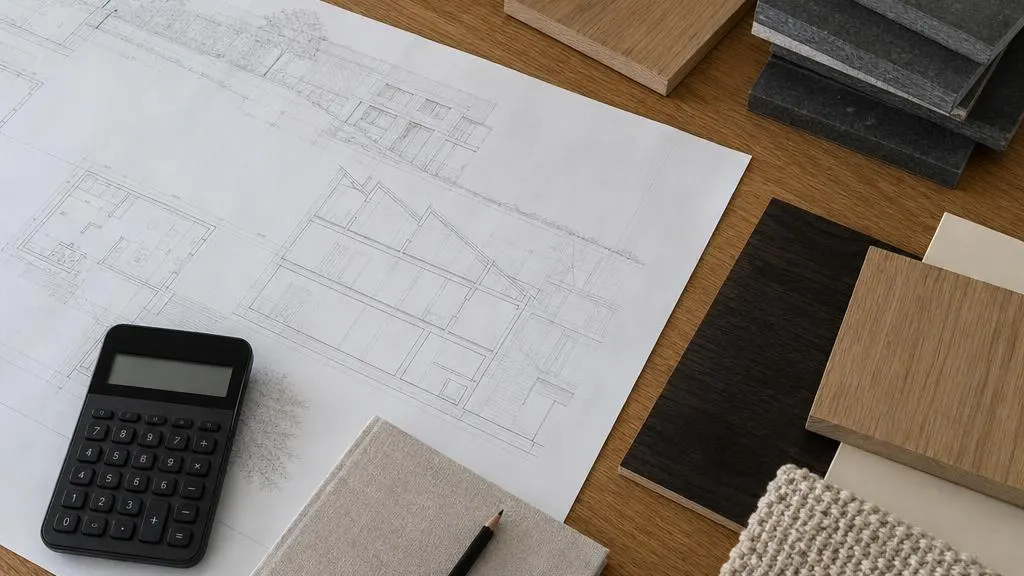
How much might your own project cost?
Use our free interactive renovation calculator to explore an indicative budget based on your property's size, the nature of the proposed renovation, additional professional expenses, outdoor improvements and an allowance for unexpected work.
You can adjust the assumptions to suit your own circumstances.
The calculator does not require registration or an email address.
Interactive resource · I
French House Renovation Cost Calculator
Explore an indicative budget for renovating your property in France.
Every rate is tax-inclusive and editable. Nothing you enter leaves this page unless you choose to include it in an enquiry.
Your indicative budget
Enter the floor area to see your range.
Outstanding estimates and assessments
- Architect and separately appointed professionals: not yet assessed
- Building assessments and surveys: not yet assessed
- Construction insurance: not yet assessed
- Swimming pool: not yet assessed
- Garden and landscaping: not yet assessed
- Additional roofing or structural work: not yet assessed
- Individual wastewater treatment: not yet assessed
- Utility connections: not yet assessed
- Additional outdoor improvements: not yet assessed
- Other excluded expenditure: not yet assessed
Indicative editorial budgeting aid only, not a quotation, valuation or professional cost assessment. All amounts assume applicable VAT is included; no VAT or unconfirmed grant is added or deducted. Property type and location do not change the rates. Unknown or unassessed extras are excluded from the known-cost figures, not estimated at zero. Confirm scope, taxes, fees and costs with appropriately qualified professionals.
Optional
Let's turn your renovation plans into reality.
Have a project around Carcassonne or the surrounding countryside? Tell us a little about your property and your plans, and we'll discuss how we may be able to help.
What will be shared if you choose to include it
French house renovation budget — Languedoc Private Homes
Property type: Not supplied
Broad location: Not supplied
Affected floor area:  m²
Scope: Complete renovation
Tax-inclusive works rates: €1,000–€1,800/m²
Contingency: 15% on main works plus known extras
Architect and separately appointed professionals: unreviewed
Building assessments and surveys: unreviewed
Construction insurance: unreviewed
Swimming pool: unreviewed
Garden and landscaping: unreviewed
Additional roofing or structural work: unreviewed
Individual wastewater treatment: unreviewed
Utility connections: unreviewed
Additional outdoor improvements: unreviewed
Other excluded expenditure: unreviewed
No budget calculated.
Enter a floor area greater than zero and no more than 100,000 m², with up to two decimal places.
Outstanding estimates/assessments:
- Architect and separately appointed professionals: not yet assessed
- Building assessments and surveys: not yet assessed
- Construction insurance: not yet assessed
- Swimming pool: not yet assessed
- Garden and landscaping: not yet assessed
- Additional roofing or structural work: not yet assessed
- Individual wastewater treatment: not yet assessed
- Utility connections: not yet assessed
- Additional outdoor improvements: not yet assessed
- Other excluded expenditure: not yet assessed
Indicative editorial budgeting aid only, not a quotation, valuation or professional cost assessment. All amounts assume applicable VAT is included; no VAT or unconfirmed grant is added or deducted. Property type and location do not change the rates. Unknown or unassessed extras are excluded from the known-cost figures, not estimated at zero. Confirm scope, taxes, fees and costs with appropriately qualified professionals.
Nothing is stored or sent unless you press the share button. It is then held in this tab only, for up to 15 minutes, and added to the enquiry form for you to review before sending.
The results are intended as an initial budgeting aid. They are not professional estimates, contractor quotations, property valuations or guarantees of actual costs.
Planning a renovation around Carcassonne?
Whether you are considering buying a property requiring renovation or already own a home that you would like to improve, we would be delighted to discuss your plans.
Languedoc Private Homes can help you explore suitable local professional introductions according to your project requirements and availability.
Discuss your renovation project.
06Individual renovation costs in France
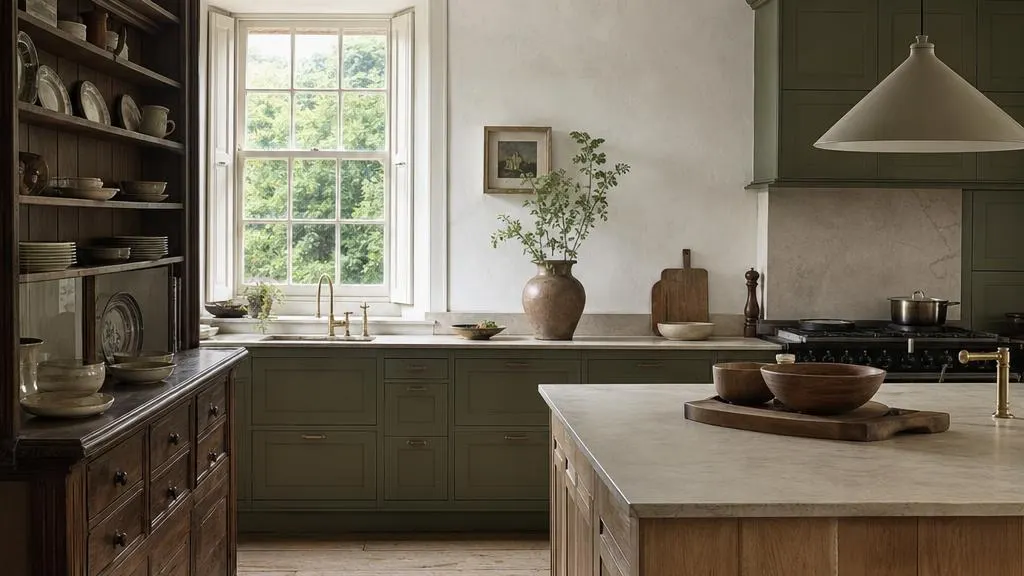
A cost-per-square-metre estimate can be useful at the beginning of a project.
However, once you understand the property's condition and intended improvements, a more detailed budget should be prepared.
The following ranges are broad editorial planning allowances informed by published French and regional renovation pricing guides.
Interactive resource · III
Search individual renovation costs
| Type of work | Indicative budget | Unit |
|---|---|---|
| Complete fitted kitchenInterior renovation | €8,000–€25,000 | per project |
| Complete bathroom renovationInterior renovation | €6,000–€15,000 | per project |
| Roof covering replacementRoofing | €100–€250/m² of roof | per m² of roof |
| Electrical refurbishmentUtilities · Interior renovation | €50–€150/m² of affected floor area | per m² of affected floor area |
| New double-glazed windowEnergy efficiency | €400–€1,400 per window | per window |
| Loft insulationEnergy efficiency | €25–€60/m² of insulated area | per m² of insulated area |
| Replacement flooringInterior renovation | €40–€140/m² of floor | per m² of floor |
| Swimming pool installationSwimming pools · External improvements | €15,000–€50,000+ | per project |
| Individual wastewater treatment systemUtilities · External improvements | €6,000–€12,000 | per project |
Units differ by row and must not be added together. Unusual specifications, premium finishes, access difficulties and additional structural work may cost more.
These are broad budgeting allowances for typical professionally undertaken projects, assuming applicable VAT is included.
Premium finishes, unusual specifications, access difficulties, specialist materials and additional structural work can significantly increase costs.
Some individual projects may fall below these ranges.
For example, repairing an existing roof is considerably different from replacing the entire roof structure.
Similarly, replacing an existing kitchen in the same configuration will often cost less than creating an entirely new kitchen elsewhere in the property.
Do not add all these individual costs on top of a complete cost-per-square-metre estimate. A complete renovation allowance may already include some of them.
Instead, use the individual figures to prepare a separate itemised budget or identify work outside the principal renovation scope.
Useful pricing references:
07How much does it cost to renovate a traditional French stone house?
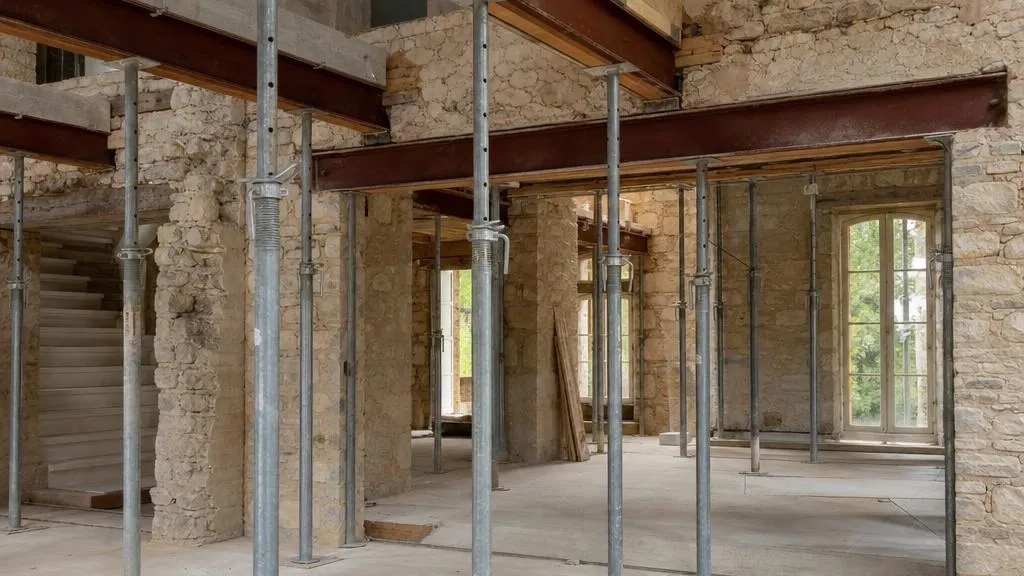
Traditional stone houses are among the most attractive properties in southern France.
From centuries-old village houses to former wine estates, farmhouses and converted agricultural buildings, they offer architectural character that can be difficult to replicate in modern construction.
However, older properties can present particular renovation challenges.
Roofing and structural timber
A roof that appears reasonably sound from the ground may conceal damaged timber, deteriorating underlay, previous temporary repairs or inadequate waterproofing.
Before finalising your renovation budget, consider arranging an appropriate professional roof and structural assessment.
Moisture and damp
Older stone houses may have moisture characteristics very different from those of modern buildings.
Potential issues include:
- Water penetrating damaged roofs.
- Rainwater entering through defective stonework.
- Inadequate drainage.
- Condensation.
- Poor ventilation.
- Ground moisture.
- Incompatible previous repairs or finishes.
The cause of the problem should be investigated before choosing a treatment.
Traditional stone buildings can benefit from specialist knowledge of compatible materials and appropriate moisture management.
Electrical and plumbing installations
An older property may contain installations from several different periods.
Even if particular systems appear to work during a viewing, substantial improvements may still be advisable.
Obtain appropriate professional advice about electrical safety, plumbing condition and heating equipment.
Original architectural features
Many owners wish to retain or restore:
- Traditional wooden shutters.
- Original timber beams.
- Terracotta floor tiles.
- Stone fireplaces.
- Ironwork.
- Original doors.
- Decorative stone surrounds.
- Traditional plasterwork.
Restoring these features may require specialist craftsmanship and can sometimes cost more than replacing them with modern alternatives.
However, preserving the character of a beautiful French property can be an important part of the renovation's appeal.
For a traditional stone house requiring substantial modernisation, an initial budget of around €1,000–€1,800/m² may be a useful starting point.
Where significant roof, structural, timber or moisture-related work is required, €1,500–€3,000/m² or more may be appropriate for initial planning.
An individual building assessment remains essential.
08How much does it cost to convert a French barn or agricultural building?
An old stone barn with beautiful proportions may appear to offer an exciting and relatively inexpensive route to creating a French country home.
However, converting a building that was never designed for residential occupation is considerably different from renovating an existing house.
Potential requirements include:
- Establishing whether residential conversion is permitted.
- Planning authorisation and change-of-use or destination procedures.
- Creating or upgrading utility connections.
- Installing adequate wastewater treatment.
- Creating floors and internal rooms.
- New windows and doors.
- Insulation.
- Heating.
- Plumbing and electrical systems.
- Structural reinforcement.
- Roofing and waterproofing.
- Kitchens and bathrooms.
A barn may lack almost every system needed in a habitable property.
For initial budgeting, a substantial barn conversion may justify an allowance within or above the heavy renovation range of €1,500–€3,000/m².
Complex conversions involving premium specifications, extensive structural work or difficult utility connections may cost considerably more.
Before purchasing a barn, establish whether your intended conversion is legally and practically feasible.
Do not assume that purchasing an agricultural building automatically gives you permission to turn it into a home.
Consult the relevant planning authority and appropriately qualified professionals.
09What about renovating a château or large country estate?
France has some remarkable historic properties.
An elegant château or extensive former wine estate may sometimes be available at an asking price that appears astonishingly attractive to international buyers.
However, the purchase price is only one part of the financial commitment.
Larger historic properties may involve:
- Extensive roofing.
- Specialist masonry.
- Numerous windows and shutters.
- Large heating requirements.
- Multiple bathrooms.
- Complex electrical and plumbing installations.
- Outbuildings.
- Grounds and gardens.
- Heritage restrictions.
- Significant ongoing maintenance.
A high-end restoration of 400 m² at an illustrative works allowance of €2,500–€4,000/m² would produce an initial renovation budget of €1 million–€1.6 million, before separately appointed professional services and contingency.
Not every château requires this level of expenditure.
Some are already habitable and require only selective improvements.
Nevertheless, buyers should carefully investigate the property's condition and long-term operating costs before committing to a major restoration project.
10Example French renovation budgets
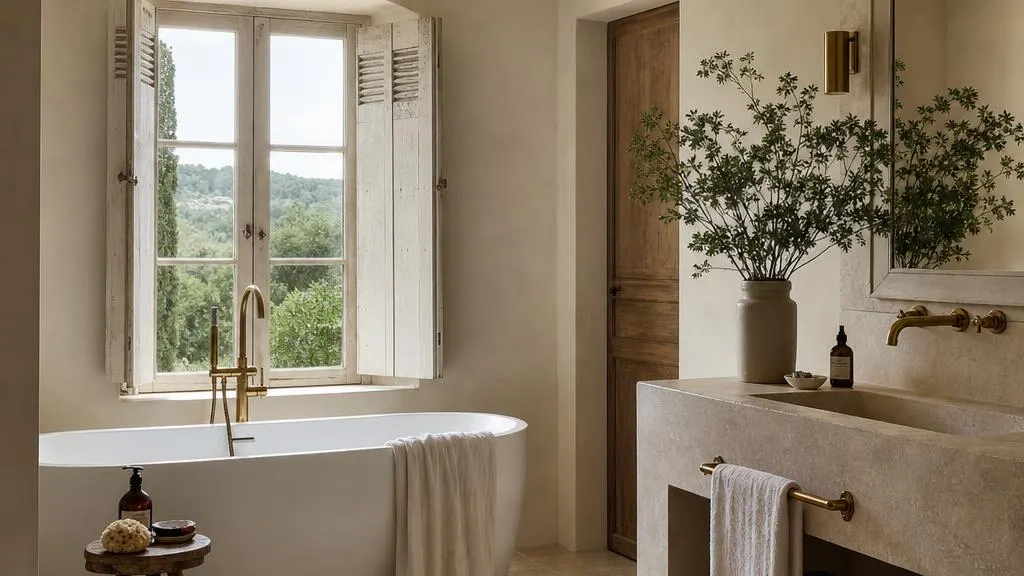
To illustrate how different projects might be budgeted, consider the following fictional scenarios.
These are not actual Languedoc Private Homes projects, completed customer renovations or contractor quotations.
Example 1: An 80 m² village house near Carcassonne
The property is structurally sound but requires interior modernisation, a new kitchen and bathroom, selected electrical improvements and redecoration.
| Budget item | Illustrative amount |
|---|---|
| Main renovation: 80 m² × €800 | €64,000 |
| Separately appointed professional services | €5,000 |
| Subtotal | €69,000 |
| Contingency at 15% | €10,350 |
| **Total planning budget** | €79,350 |
Example 2: A 120 m² farmhouse in the Minervois
The property requires a complete internal renovation, heating improvements, new plumbing and electrical installations, kitchen and bathrooms, and selected exterior improvements.
| Budget item | Illustrative amount |
|---|---|
| Main renovation: 120 m² × €1,400 | €168,000 |
| Separately appointed professional services | €12,000 |
| Additional external improvements | €15,000 |
| Subtotal | €195,000 |
| Contingency at 15% | €29,250 |
| **Total planning budget** | €224,250 |
Example 3: A 180 m² traditional country property
The property requires significant structural renovation, high-quality interior finishes, landscaping and a new swimming pool.
| Budget item | Illustrative amount |
|---|---|
| Main renovation: 180 m² × €2,200 | €396,000 |
| Separately appointed professional services | €35,000 |
| Swimming pool and additional outdoor work | €45,000 |
| Subtotal | €476,000 |
| Contingency at 20% | €95,200 |
| **Total planning budget** | €571,200 |
For simplicity, these examples apply contingency to the stated subtotal.
In an actual project, your professional adviser may recommend applying different contingency allowances to separate categories of expenditure.
All three examples exclude the property purchase price, acquisition charges, financing costs, temporary accommodation and loose furniture.
They also exclude any additional obligations or expenses not expressly listed.
12How much contingency should you allow for a French renovation?
Renovating an existing property inevitably involves some uncertainty.
This is particularly true of older buildings, where concealed problems may only become apparent when work begins.
As a general initial planning approach, consider the following contingency allowances.
| Project type | Illustrative contingency |
|---|---|
| Straightforward cosmetic improvements | 10% |
| Partial or well-defined renovation | 10–15% |
| Complete renovation of an older house | 15–20% |
| Heavy structural renovation | 20–25% |
| Complex historic restoration | 25% or more where appropriate |
These percentages are our editorial budgeting suggestions rather than statutory requirements or guarantees.
A well-investigated project with detailed specifications may justify a different allowance from a project with substantial unresolved structural or planning questions.
A contingency reserve should not be regarded as money available for upgrading finishes at the beginning of the project.
Its purpose is to help absorb genuinely unexpected expenditure.
13Understanding French VAT on renovation work
Value-added tax in France is known as TVA.
The standard rate in mainland France is 20%, but certain renovation work can qualify for reduced rates.
| VAT rate | General application |
|---|---|
| 20% | Standard rate, including many new construction activities and excluded categories of renovation work |
| 10% | Certain qualifying improvement, maintenance and renovation work |
| 5.5% | Certain qualifying energy-efficiency improvements |
Reduced renovation rates generally concern eligible residential properties completed more than two years previously, subject to the nature and scope of the work.
Second homes may also qualify for reduced renovation VAT rates when the relevant conditions are satisfied.
However, not every type of work qualifies.
For example, significant extensions, certain reconstruction projects, landscaping and equipment purchased directly by homeowners can be treated differently.
Different items within the same project may have different VAT treatments.
Ask each contractor to confirm the applicable rates in writing.
Understanding HT and TTC prices
When reviewing a French quotation, look for:
- HT: Hors Taxes, meaning the price excluding applicable taxes.
- TTC: Toutes Taxes Comprises, meaning the price including applicable taxes.
For an illustrative €50,000 tax-exclusive amount:
| VAT assumption | Tax-inclusive total |
|---|---|
| 5.5% | €52,750 |
| 10% | €55,000 |
| 20% | €60,000 |
This demonstrates how significant VAT can be when comparing substantial renovation quotations.
These are mathematical illustrations, not confirmation that a particular renovation qualifies for any specific rate.
Official guidance:
Entreprendre Service Public — VAT rates applicable to residential renovation
14Are there renovation grants available for French second homes?
France offers various forms of financial assistance for qualifying energy-efficiency improvements.
However, eligibility depends on the property, type of work, occupation arrangements, household circumstances and current scheme rules.
International second-home owners should be particularly cautious about assuming that financial assistance advertised for principal residences applies to them.
MaPrimeRénov'
MaPrimeRénov' is a major French energy renovation support scheme.
Its standard individual homeowner arrangements generally concern eligible principal residences.
Owners of properties used exclusively as second homes should not assume that they qualify.
Certificats d'économies d'énergie (CEE)
Certain energy supplier-funded CEE schemes can apply to qualifying improvements in secondary residences as well as principal residences.
Eligibility depends on the specific work and scheme requirements.
There may be conditions relating to professional qualifications, technical specifications and the timing of the application.
Check requirements before accepting quotations or committing to work.
Local financial assistance
Depending on the property and location, other assistance schemes may exist.
For example, certain local programmes support improvements to housing or the rehabilitation of older properties.
Eligibility can be restricted to particular locations, occupation arrangements, owner circumstances or renovation objectives.
For reliable guidance, consult France Rénov' and the appropriate local authority.
Do not include an unconfirmed grant in your available renovation budget.
Useful official resources:
15Planning permission and historic properties around Carcassonne
One of the great attractions of the Carcassonne region is its exceptional architectural heritage.
However, properties in historic or protected locations may be subject to additional planning requirements.
Renovation work can involve restrictions or authorisations relating to:
- External appearance.
- Window replacement.
- Shutter colours.
- Roof coverings.
- External stonework.
- Façades and rendering.
- Extensions.
- Swimming pools.
- Conversion of agricultural buildings.
- Certain internal alterations.
The Ville de Carcassonne identifies specific authorisation requirements for works within the protected Bastide area, including interior works.
Requirements can differ elsewhere in the municipality and surrounding villages.
If you are considering a historic property, consult the relevant planning department before finalising your renovation specifications.
For some building permit applications, an architect may be legally required. The often-mentioned threshold of 150 m² applies in particular circumstances and should not be treated as a universal rule.
Protected buildings or heritage areas may also require specialist architectural input.
These considerations can influence project costs and timescales, particularly where particular materials or construction methods are required.
Useful resources:
16Should you buy a cheap French house and renovate it?
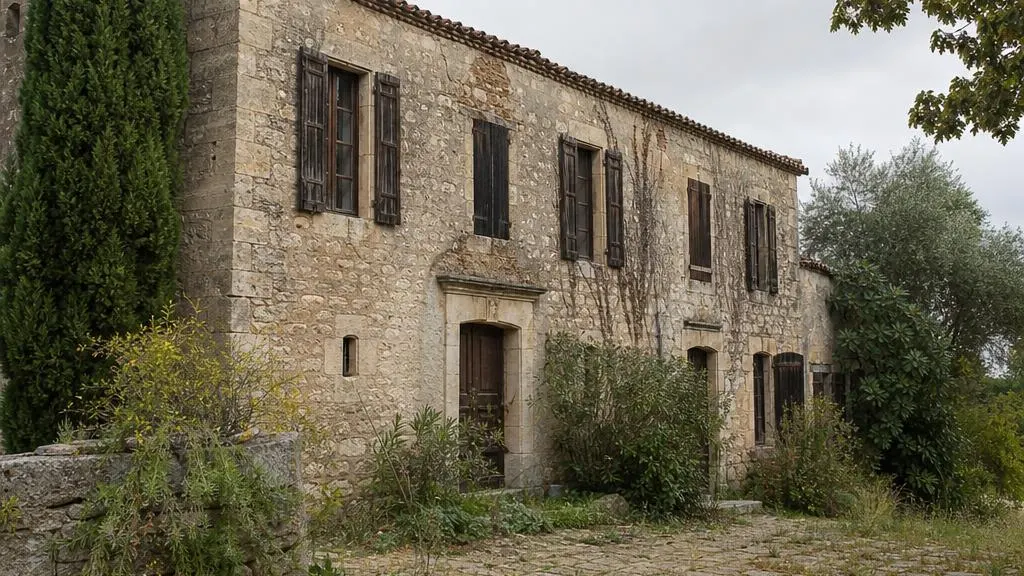
Buying a property requiring work can be a wonderful opportunity.
It allows you to create a home that reflects your preferences whilst potentially preserving beautiful original features.
However, a low purchase price does not necessarily mean that the completed property will be inexpensive.
Consider the following hypothetical example.
| Acquisition and improvement item | Illustrative amount |
|---|---|
| Property purchase price | €140,000 |
| Acquisition costs allowance | €11,000 |
| Main renovation works | €180,000 |
| Separate professional services | €15,000 |
| Additional outdoor improvements | €10,000 |
| Renovation contingency | €30,750 |
| **Indicative total investment** | €386,750 |
The contingency represents 15% of the €205,000 combined renovation, professional services and outdoor improvements subtotal.
The acquisition costs allowance is purely illustrative, not a calculated French property transaction fee.
The example excludes financing, temporary accommodation, travel and furnishings.
Before purchasing a property requiring work, compare your estimated total investment with:
- The price of comparable renovated properties.
- The proposed property's location.
- Its particular architectural character.
- Your long-term ownership objectives.
- Expected maintenance expenditure.
- The potential financial implications of unexpected work.
Renovation does not guarantee an increase in property value greater than the cost of the work.
For many second-home owners, the enjoyment of creating their ideal French property is as important as any financial return.
Nevertheless, understanding the complete budget is essential.
Interactive resource · II
Should You Buy a French Property to Renovate?
Add the purchase, the works and everything around them. Optional blanks stay excluded rather than counted as zero.
Enter the purchase price, acquisition costs and main renovation budget.
Excluded — left blank, not confirmed as zero
- Additional professional services
- Additional external improvements
- Financing costs, if known
- Temporary accommodation and travel
- Other acquisition or project expenditure
Budgeting illustration only. Acquisition fees and post-renovation value must be entered manually; neither is calculated or verified. Contingency applies only to main renovation works, separate professionals and external improvements, not purchase, acquisition, financing, accommodation/travel or other expenditure. Blank optional allowances are excluded, not confirmed as zero. Any difference from an estimated future value is not guaranteed profit: selling costs, tax, financing, ownership duration and market changes may materially change the outcome.
17How can you reduce renovation costs without compromising quality?
There are sensible ways to control expenditure without simply choosing the cheapest contractor.
Establish your priorities
Distinguish between:
- Essential repairs.
- Safety improvements.
- Preventative maintenance.
- Comfort improvements.
- Aesthetic upgrades.
- Luxury additions.
Address significant structural, roofing, electrical, moisture and safety issues before spending heavily on interior finishes.
Retain suitable existing features
Original floors, timber beams, shutters, doors and stonework may sometimes be restored rather than replaced.
Obtain appropriate advice about their condition and suitability.
Keep kitchens and bathrooms in existing locations
Moving kitchens, bathrooms and utility installations can introduce substantial additional plumbing, drainage and construction work.
Where practical, retaining an existing layout may reduce expenditure.
Compare like-for-like quotations
Ask several suitable contractors to quote against a consistent project brief.
Check the scope, exclusions, materials, applicable VAT, insurance and payment arrangements.
For more detailed advice, read our guide:
How to Find Reliable English-Speaking Builders in France.
Avoid unnecessary changes during construction
Changing layouts, materials or specifications during a renovation can lead to additional costs and delays.
Where possible, establish your preferences before work begins.
Consider phased renovations
Some improvements can be undertaken over several years.
For example:
Phase 1: Essential repairs, roof and building safety.
Phase 2: Electrical, plumbing, heating and insulation.
Phase 3: Kitchens, bathrooms, floors and decoration.
Phase 4: Swimming pool, landscaping and other outdoor improvements.
The appropriate order depends on the project.
Phasing may improve financial flexibility, although it can also create additional mobilisation costs or prolong disruption.
Discuss sequencing with the appropriate construction professionals.
18Managing your French renovation from overseas
If you live in the UK, Ireland, the United States or elsewhere, managing substantial building work in France may seem particularly challenging.
A successful arrangement generally requires:
- Suitable local professionals.
- Clear project specifications.
- Detailed quotations.
- Verified insurance.
- Appropriate construction oversight.
- Reliable communication.
- Agreed reporting arrangements.
- A clear process for approving expenditure.
- Suitable contractual payment arrangements.
Photographs and regular updates can help homeowners remain informed throughout the process.
However, routine photographic reports and visual observations are not a substitute for professional construction supervision or technical inspections.
For substantial projects, appoint appropriately qualified professionals to undertake the necessary technical responsibilities.
A local property concierge can complement these arrangements through agreed practical assistance, facilitating communication, arranging access and helping organise appointments.
For more general advice about managing your property remotely, read:
How to Manage Your French Second Home from Abroad.
Budgeting for property care: How Much Does Second-Home Property Management Cost in France?
19Renovating a property around Carcassonne and the Languedoc
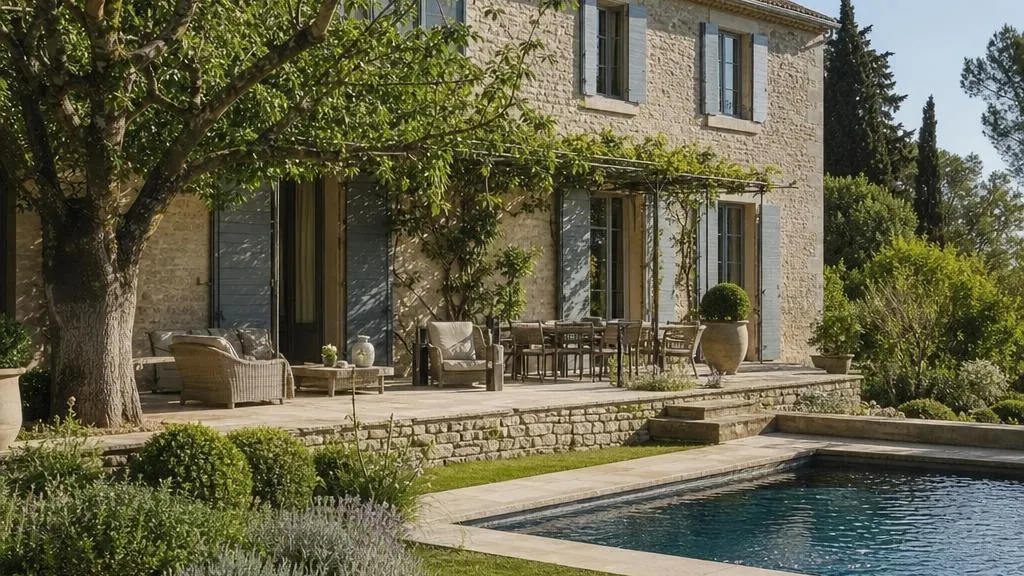
The Carcassonne region offers an exceptionally varied collection of traditional and contemporary properties.
Renovation considerations can differ according to the property and its particular surroundings.
Carcassonne
Historic townhouses and properties within protected architectural areas may require particular attention to planning permissions, access arrangements and suitable materials.
The Minervois
Traditional stone houses, former winegrowers' properties and agricultural buildings can offer wonderful renovation potential.
Older roofs, timber structures and moisture management may deserve particular attention.
Limoux and the surrounding countryside
From historic village houses to larger rural properties, renovation considerations may include traditional building materials, heating, drainage and natural hazard exposure.
The Cabardès and Montagne Noire foothills
More elevated and exposed locations may require additional attention to heating, insulation, frost protection and weather exposure.
Lagrasse and the Corbières
Historic village architecture, rural access, traditional stone construction and applicable heritage restrictions can influence renovation specifications.
These are general regional considerations rather than assessments of individual properties.
Obtain appropriate advice concerning the condition, planning requirements and environmental risks of your particular home.
Interactive resource · IV
Your French renovation budgeting checklist
Before committing to a substantial French renovation, consider the following. Open each category and tick items as you review them. Nothing you tick is sent anywhere.
Property and feasibility
Professional appointments
Financial planning
Managing the work
Completing this checklist does not guarantee that a project is feasible, compliant with planning or building rules, or that any contractor is competent or suitable. Confirm each point with appropriately qualified professionals.
Frequently asked questions
How much does it cost to renovate a house in France per square metre?
Our indicative planning ranges are €250–€600/m² for cosmetic improvements, €600–€1,000/m² for partial renovations, €1,000–€1,800/m² for complete renovations and €1,500–€3,000/m² or more for substantial structural work. Individual quotations are essential.
How much does it cost to renovate a 100 m² French house?
A complete renovation may justify an initial works budget of €100,000–€180,000. A heavy structural renovation may cost €150,000–€300,000 or more. Allow separately for professional services, additional expenditure and contingency.
Can I renovate a house in France for €50,000?
Potentially, particularly if the property is relatively small, structurally sound and requires mainly cosmetic or selective improvements. It would be less realistic to assume that €50,000 will cover a substantial complete renovation involving major structural work, new utilities and premium finishes.
How much does it cost to restore a French farmhouse?
For a traditional farmhouse requiring a complete renovation, €1,000–€1,800/m² may be a useful initial planning allowance. Substantial structural restoration and specialist heritage work can require considerably greater expenditure.
Is renovating a house cheaper in the Aude than in Provence?
Costs vary according to local labour demand, project complexity, access, materials and specifications. Some locations may offer more competitive quotations, but there is no universal regional discount. Obtain comparable local estimates.
How much does a new kitchen cost in France?
A complete professionally fitted kitchen might initially be budgeted at approximately €8,000–€25,000, with premium bespoke kitchens potentially costing considerably more.
How much does a bathroom renovation cost in France?
An initial planning allowance of €6,000–€15,000 may be appropriate for many complete bathroom renovations. The actual cost will depend on size, plumbing changes, specifications and finishes.
How much does it cost to install a swimming pool in southern France?
An in-ground swimming pool might initially be budgeted at €15,000–€50,000 or more, depending on construction type, dimensions, access, equipment and specifications. Terraces, landscaping, planning requirements and additional outdoor work can increase the total.
Can second-home owners receive reduced renovation VAT in France?
Yes, some qualifying renovation work on eligible secondary residences can benefit from reduced VAT rates. The applicable rate depends on the property and precise nature of the work.
Can I receive French renovation grants for my holiday home?
Certain CEE energy-efficiency schemes may apply to qualifying second homes. Other major assistance schemes primarily concern eligible principal residences. Confirm eligibility before committing to work.
How much extra money should I allow for unexpected renovation costs?
An initial contingency of 10–20% may be useful for many renovations. Older properties and complex structural or heritage projects can justify a higher allowance.
Do I need an architect to renovate a house in France?
Some projects legally require an architect, particularly in certain building permit circumstances. Even where an architect is not compulsory, professional design and technical assistance can be valuable for substantial work.
How long does a French house renovation take?
Timescales can range from several weeks for straightforward improvements to many months or more for substantial structural renovations. Planning authorisations, contractor availability, material lead times and unforeseen work can all affect the schedule. Obtain a project-specific programme before committing.
Can someone help me find builders around Carcassonne?
Languedoc Private Homes can help international homeowners explore introductions to suitable independent local professionals, subject to the requirements of the project and contractor availability.
Can I obtain a renovation quotation from Languedoc Private Homes?
We are a property care, concierge and introduction business rather than a construction company. We can discuss your requirements and explore appropriate professional introductions. Actual construction quotations must be prepared by the independent professionals responsible for the proposed work.
This guide provides general information and indicative budgeting assistance. It does not constitute a construction quotation, professional cost assessment, property valuation, legal advice, financial advice, tax advice or technical building advice. Pricing ranges are editorial planning estimates informed by publicly available commercial renovation guides and regional benchmarks reviewed on 18 November 2026. They do not represent independently verified local transaction averages. The example renovation budgets are fictional. Actual costs may differ substantially.
Research reviewed: 18 November 2026.
Further reading and references
- Hemea — House renovation costs (opens in a new tab)
- La Maison Saint-Gobain — House renovation costs (opens in a new tab)
- EGB Occitanie — Regional renovation pricing guide (opens in a new tab)
- Orpi — Carcassonne property and renovation information (opens in a new tab)
- Travaux.com — Swimming pool installation costs (opens in a new tab)
- Travaux.com — Individual wastewater treatment costs (opens in a new tab)
- Entreprendre Service Public — VAT rates applicable to residential renovation (opens in a new tab)
- France Rénov' — Financial assistance (opens in a new tab)
- France Rénov' — CEE assistance (opens in a new tab)
- France Rénov' — MaPrimeRénov' (opens in a new tab)
- Ville de Carcassonne — Property rehabilitation information (opens in a new tab)
- Service Public — When an architect is required (opens in a new tab)
- Service Public — Construction insurance (opens in a new tab)
About this guide
This guide provides general information for homeowners in France. The right approach depends on your property and circumstances. Any costs shown are illustrative. Before commissioning work or making a decision about safety, insurance or legal requirements, check the details with a suitably qualified professional or the relevant authority.

From the founders
Bring your French property to life
Renovating a property in southern France can be an extraordinarily rewarding experience.
Restoring beautiful architectural features, creating welcoming living spaces and transforming a traditional building into a home that reflects your own lifestyle can bring years of enjoyment.
The key is to approach the process with realistic expectations, appropriate professional advice and reliable local support.
At Languedoc Private Homes, we understand that finding the right people and managing practical arrangements from another country can make the entire process feel more complicated.
We're Ben and Julia, an Anglo-French couple who have lived in the Carcassonne region with our family for the past 13 years.
Whether you're considering purchasing a property requiring renovation, restoring a traditional stone farmhouse or making improvements to an existing French home, we'd be delighted to hear about your plans.
We can help explore suitable independent professional introductions and agreed practical local assistance.
Our services are subject to geographic coverage, agreed scope and availability. We may receive disclosed commercial referral fees from independent professionals.
Your home in France. In exceptional hands.
Let's discuss your renovation.
Bring your French property to life.
From a traditional stone farmhouse to a beautiful private country estate, we'd love to hear what you have in mind.
We are not a building company. Introductions to independent local professionals are offered subject to availability, and each professional is responsible for their own work, registration and insurance.
Carcassonne · Aude · Minervois · Languedoc · Southern France